

Teeth Sensitivity During Cleaning
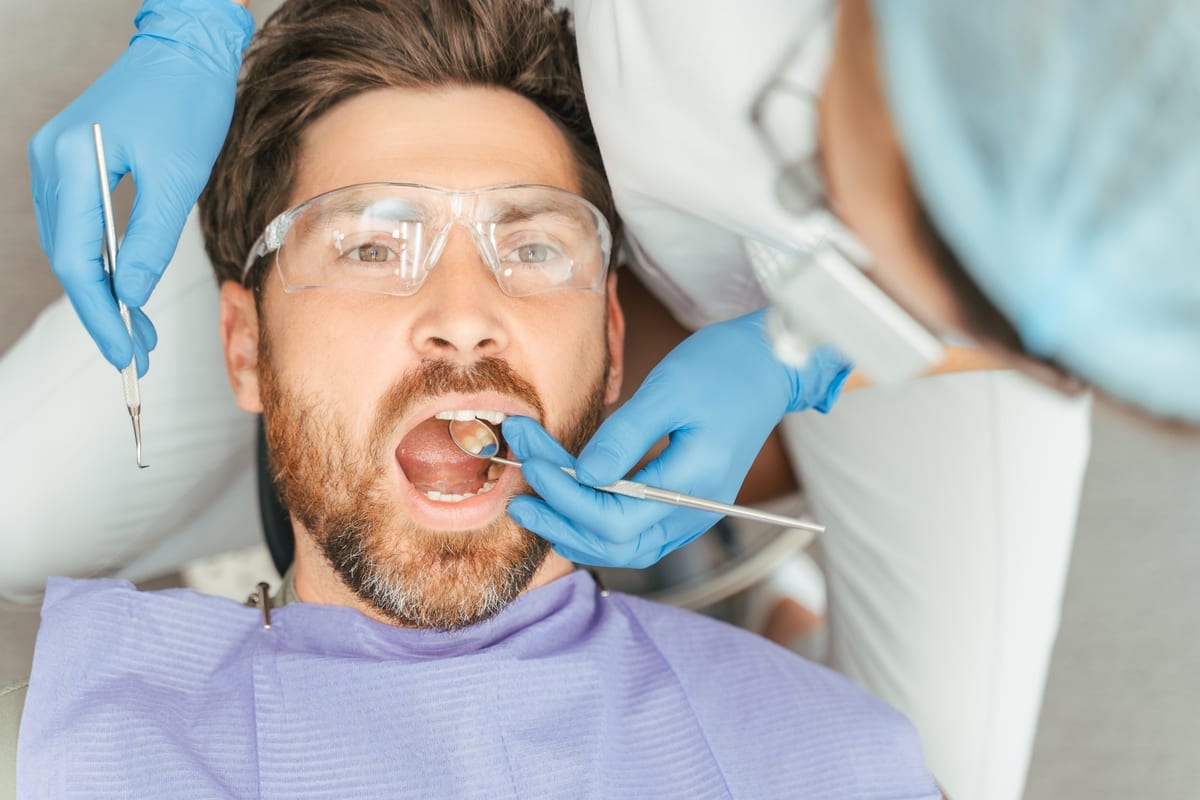
Many patients in Centerville, MN wonder why their teeth feel sensitive during a routine cleaning. Understanding why your teeth feel sensitive during cleaning and how we help Centerville patients is an important part of your dental care journey. Sensitivity is one of the most common concerns we hear at Lakeview Family Dentistry Hugo. Dr. Drew Carrell and our hygiene team are committed to making every visit as comfortable as possible.
You are not alone if you dread that sharp twinge during a cleaning. Millions of people experience this exact sensation every year. The good news is that sensitivity during cleanings is usually very manageable. Knowing the cause helps us find the right solution for you.
What Causes Tooth Sensitivity During a Dental Cleaning?
Sensitivity during a cleaning often comes from exposed dentin. Dentin is the inner layer of your tooth beneath the enamel. When enamel wears down or gums recede, dentin becomes exposed to temperature and pressure. That exposure is what creates that sharp, uncomfortable feeling.
Gum recession is another major contributor. Receding gums expose the tooth root, which has no enamel layer at all. Root surfaces are significantly more sensitive than the crown of your tooth. Even gentle scaling near the gumline can trigger a strong response.
Plaque and tartar buildup can also heighten sensitivity. Hardened tartar can irritate gum tissue and create pockets of inflammation. When the hygienist removes tartar, the surrounding tissue may feel tender. This is completely normal and expected.
- Worn enamel from grinding or acidic foods
- Gum recession exposing sensitive root surfaces
- Inflamed or irritated gum tissue
- Existing cavities or cracked teeth
- Recent whitening treatments that temporarily increase sensitivity
How Our Hygienists Minimize Sensitivity During Cleanings in Centerville
Our team at Lakeview Family Dentistry Hugo takes sensitivity seriously. Before your cleaning begins, your hygienist will ask about any areas of discomfort. This simple conversation helps us tailor your care from the very start. Communication is one of the most powerful tools we have.
We use a gentle, measured approach with our instruments. Our hygienists are trained to adjust pressure and speed based on your comfort level. If you feel discomfort at any point, simply let us know and we will pause. There is no rush, and your comfort always comes first.
For patients with significant sensitivity, we offer desensitizing agents. These topical treatments can be applied directly to sensitive areas before scaling begins. They work by temporarily blocking the nerve pathways in the tooth. Many patients report immediate relief after this simple step.
- Pre-cleaning sensitivity assessment and conversation
- Gentle hand instrumentation techniques for delicate areas
- Topical desensitizing gels applied before scaling
- Ultrasonic scalers adjusted to low settings when needed
- Frequent check-ins throughout the appointment
Why Regular Cleanings Actually Reduce Sensitivity Over Time
Many patients avoid cleanings because they fear sensitivity. This actually creates a cycle that makes things worse. When plaque and tartar build up unchecked, gum inflammation increases. More inflammation means more sensitivity at your next visit.
Regular cleanings every six months keep that buildup minimal. Less tartar means less irritation during removal. Your gums also stay healthier, which reduces recession over time. Consistent care is truly the best long-term solution for sensitivity.
Dr. Drew Carrell often explains this to new patients from Centerville and surrounding areas. Skipping cleanings to avoid discomfort is counterproductive. Each visit you miss can mean a longer, more intensive cleaning next time. Staying on schedule keeps each appointment shorter and more comfortable.
We also monitor changes in your gum health at every visit. Early signs of recession or enamel wear are easy to address when caught soon. We can recommend prescription-strength fluoride toothpaste or other protective measures. These simple steps make a real difference in your long-term comfort.
When Sensitivity May Signal Something More Serious
Sometimes sensitivity during a cleaning points to an underlying issue. A cavity, cracked tooth, or exposed nerve can all cause sharp pain. Your hygienist and Dr. Carrell are trained to identify these signs. We will always let you know if we notice something that needs further attention.
Severe or sudden dental pain should never be ignored. If you experience intense pain between appointments, that may be a Dental Emergency Lp situation that needs prompt care. Do not wait for your next scheduled visit in that case. Reach out to our office right away so we can assess your situation.
Patients with significant tooth loss may also experience sensitivity near remaining teeth. Options like Implant Supported Dentures can help restore function and reduce stress on natural teeth. We tailor treatment recommendations to your unique needs. Your full oral health picture always guides our approach.
Tips to Reduce Sensitivity Before and After Your Cleaning
There are several steps you can take at home to manage sensitivity. Using a soft-bristled toothbrush is one of the simplest changes you can make. Hard brushing wears away enamel faster than most people realize. Gentle, circular motions protect your enamel and gums effectively.
Sensitivity toothpaste used consistently can also help. These products contain compounds that block pain signals in the dentin. It takes a few weeks of regular use to notice the full benefit. Ask Dr. Carrell which brand or formula is best for your specific needs.
Avoiding highly acidic foods and drinks in the days before your appointment can also help. Acid temporarily softens enamel and increases sensitivity. Rinsing with water after consuming acidic items reduces the damage. Small habits like these add up significantly over time.
Frequently Asked Questions
Is it normal for teeth to hurt during a dental cleaning?
Yes, mild sensitivity during a cleaning is very common. It often results from exposed dentin, gum inflammation, or tartar buildup near the gumline. Most patients find that sensitivity decreases with regular cleanings and good home care. Let your hygienist know if discomfort feels severe so they can adjust their technique.
What can I do to make my dental cleaning less painful?
Using a desensitizing toothpaste for several weeks before your appointment can help. Let your hygienist know about your sensitivity before the cleaning begins. They can apply topical desensitizing gel and use a gentler approach throughout. Regular six-month cleanings also help by keeping tartar buildup minimal.
Can gum disease cause sensitivity during cleanings?
Absolutely. Gum disease causes inflammation, recession, and pocketing around the teeth. These conditions expose sensitive root surfaces and nerve endings. Treating gum disease with consistent professional cleanings is one of the most effective ways to reduce long-term sensitivity.
How long does sensitivity last after a dental cleaning?
Most patients experience sensitivity for only a day or two after a thorough cleaning. If your gums were inflamed or significant tartar was removed, tenderness may last a bit longer. Over-the-counter pain relievers and a soft diet for a day usually help. Contact our office if sensitivity persists beyond a week.
Should I tell my dentist if I have sensitive teeth before my cleaning?
Yes, always. Letting Dr. Carrell and your hygienist know ahead of time allows them to prepare. They can apply desensitizing agents, adjust instrument pressure, and monitor your comfort throughout the visit. Open communication leads to a much better experience for sensitive patients.
At Lakeview Family Dentistry Hugo, we believe every patient in Centerville deserves a comfortable, stress-free dental visit. Dr. Drew Carrell and our caring team are here to help you maintain a healthy smile without fear or discomfort. Book Now to schedule your appointment with our team.