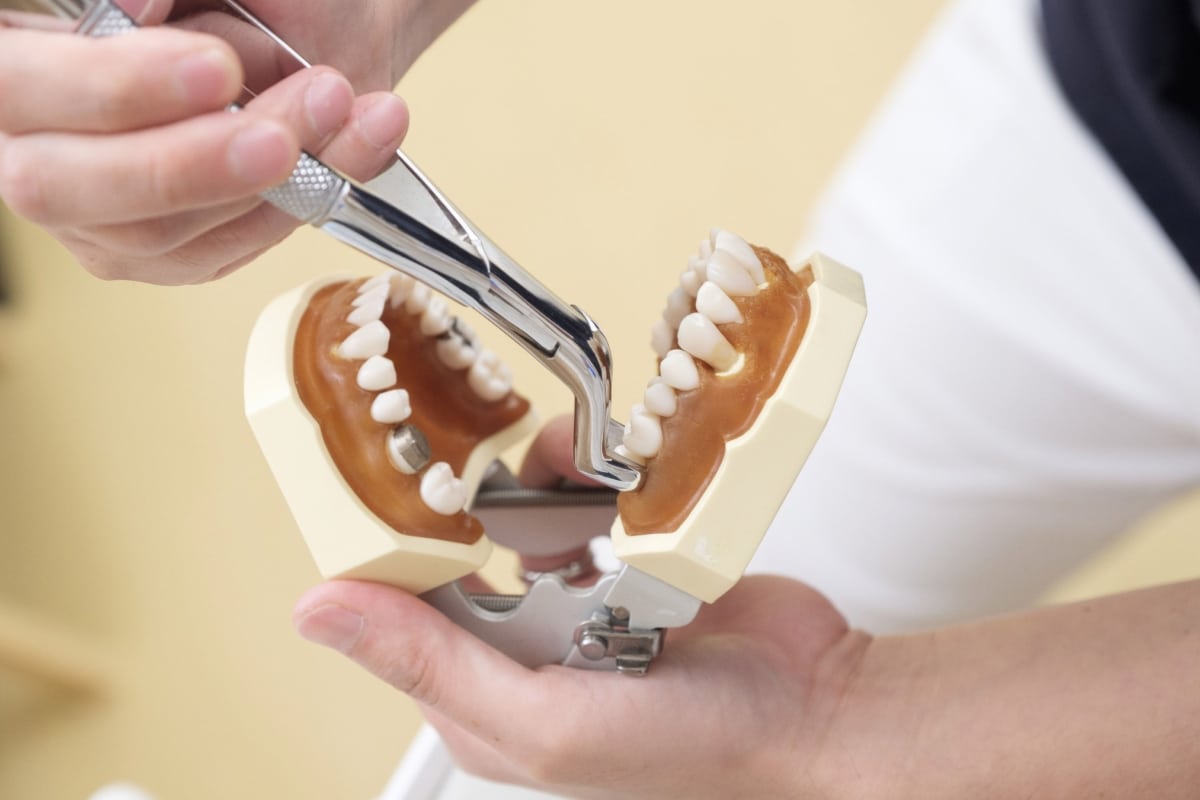

Simplifying the Preparation Process for a Tooth Extraction in Hugo, MN

Are you considering a tooth extraction in Hugo, MN? Don’t worry, you’re not alone! While the thought of having a tooth pulled may seem daunting, it’s important to remember that this common dental procedure is often necessary for maintaining optimal oral health. Whether you have a severely decayed tooth, an impacted wisdom tooth, or need space for orthodontic treatment, understanding the preparation process can help ease any anxiety you may have. In this blog post, we’ll simplify the steps involved in preparing for tooth extraction and provide helpful tips for managing pain and discomfort along the way. So let’s dive in and make your journey towards a healthier smile as smooth as possible!
Understanding the Need for a Tooth Extraction
When it comes to understanding the need for a tooth extraction, there are several common reasons that may necessitate this dental procedure. One of the most prevalent is severe tooth decay or damage that cannot be effectively treated with other dental interventions such as fillings or root canals. In some cases, a tooth may become so decayed or damaged that it poses a risk to your overall oral health, making extraction the best course of action.
Another reason for tooth extraction is when wisdom teeth become impacted or do not have enough space to properly erupt. Impacted wisdom teeth can cause pain, swelling, infection, and even damage to neighboring teeth if left untreated. Removing these troublesome molars can prevent future complications and alleviate discomfort.
Furthermore, orthodontic treatment sometimes requires extracting one or more teeth to create sufficient space for proper alignment. This strategic removal allows orthodontists to achieve optimal results and improve the overall functionality and aesthetics of your smile.
Understanding why tooth extraction may be necessary is crucial in making informed decisions about your oral health care. If you’re experiencing any symptoms like persistent pain, swelling, difficulty chewing, or overcrowding in your mouth, consult with an experienced dentist who can assess your specific situation and recommend appropriate treatment options – which might include a tooth extraction in Hugo!
The Process of Preparing for a Tooth Extraction in Hugo, MN
Preparing for a tooth extraction in Hugo, MN involves several steps to ensure a smooth and successful procedure. The process begins with scheduling an appointment with your dentist, who will assess the condition of your tooth and determine if extraction is necessary.
Once it has been determined that extraction is required, your dentist will provide you with pre-extraction instructions. These may include fasting for a certain period of time before the procedure, especially if general anesthesia or sedation will be used. It is important to follow these instructions carefully to minimize any risks during the extraction.
In addition to dietary restrictions, you may also be advised to avoid smoking or using tobacco products leading up to the extraction. Smoking can impair healing and increase the risk of complications after the procedure.
Your dentist may also prescribe medications such as antibiotics or painkillers prior to the extraction. It is crucial to take these as directed in order to prevent infection and manage any discomfort associated with the procedure.
On the day of your tooth extraction, it is important to arrive at your appointment on time and bring along any necessary documents or paperwork requested by your dentist’s office. This helps streamline the process and ensures that everything goes smoothly on the day of your surgery.
By following these preparation steps provided by your dentist in Hugo, MN, you can help ensure that your tooth extraction experience is as comfortable and stress-free as possible. Remember to ask any questions or express concerns you may have during this stage so that both you and your dental team are fully prepared for what lies ahead.
Common Pre-Extraction Instructions from Dentists
Preparing for a tooth extraction can seem overwhelming, but with the right guidance and instructions from your dentist, you can feel more at ease. Here are some common pre-extraction instructions that dentists often provide to their patients.
1. Avoid eating or drinking for at least eight hours before the procedure. This helps ensure that your stomach is empty, reducing the risk of complications during anesthesia.
2. Inform your dentist about any medications you’re taking, including over-the-counter drugs and supplements. Some medications may interfere with the extraction process or affect your healing afterward.
3. Follow any specific guidelines given by your dentist regarding pain medication or antibiotics before the extraction. These prescriptions are typically provided to prevent infection and manage discomfort during and after the procedure.
4. Arrange for someone to drive you home after the extraction if general anesthesia or sedation will be used. It’s important not to operate heavy machinery or drive yourself until fully recovered from these effects.
5. Come prepared with loose-fitting clothing and avoid wearing jewelry on the day of surgery as it may interfere with treatment procedures
By following these common pre-extraction instructions provided by dentists in Hugo, MN, you can help ensure a smooth and successful tooth extraction experience!
Tips for Managing Pain and Discomfort During Preparation
Preparing for a tooth extraction can be a nerve-wracking experience, but with the right knowledge and strategies, you can minimize pain and discomfort during the process. Here are some helpful tips to help you manage any potential pain or discomfort:
1. Communicate with your dentist: It’s essential to have open communication with your dentist before the procedure. Discuss any concerns or fears you may have, as they can provide guidance on how to alleviate discomfort.
2. Follow pre-extraction instructions carefully: Your dentist will likely provide specific pre-extraction instructions such as avoiding certain medications or foods. Adhering to these guidelines will ensure that your body is prepared for the procedure.
3. Use over-the-counter pain relievers: If approved by your dentist, taking over-the-counter pain relievers like ibuprofen before the extraction can help reduce inflammation and ease any existing discomfort.
4. Practice relaxation techniques: Engaging in relaxation techniques such as deep breathing exercises or listening to calming music before your appointment can help reduce anxiety levels and make the preparation process more manageable.
5. Apply cold packs gently: Placing an ice pack on your cheek near the affected area for short intervals (around 10 minutes) throughout the day leading up to your extraction appointment may offer temporary relief by reducing swelling and numbing sensations in that area.
Remember, everyone’s experience with tooth extractions is unique, so it’s important to consult with your dentist about which methods would be most suitable for managing pain and discomfort during preparation specifically tailored to you.
Important Aftercare Instructions for a Smooth Recovery
After undergoing a tooth extraction in Hugo, MN, it’s important to prioritize your aftercare to ensure a smooth and speedy recovery. Here are some crucial instructions to keep in mind:
1. Manage Pain: It’s normal to experience some discomfort after the procedure. Take prescribed pain medication as directed by your dentist and apply ice packs intermittently on the affected area.
2. Bleeding Control: Gently bite down on a clean gauze pad for about 30 minutes to control any bleeding. Replace the gauze if needed, but avoid excessive spitting or rinsing that may dislodge blood clots.
3. Oral Hygiene: Maintain good oral hygiene during recovery, but be gentle around the extraction site. Avoid brushing directly over the area for the first 24 hours and rinse with a warm saltwater solution (1/2 teaspoon of salt in an 8-ounce glass of water) after meals.
4. Diet Modifications: Stick to soft foods like soups, yogurt, mashed potatoes, and smoothies for the first few days post-extraction. Avoid chewing on the side where the tooth was extracted.
5. Rest & Recovery: Allow yourself ample time to rest and recover following your tooth extraction procedure – strenuous activities should be avoided for at least 24 hours.
Remember that everyone’s recovery process is unique; however, adhering closely to these guidelines will help minimize complications and promote optimal healing.
Factors to Consider When Choosing a Dentist for Your Tooth Extraction
When it comes to choosing a dentist for your tooth extraction in Hugo, MN, there are several factors that you should consider. First and foremost, you want to find a dentist who is experienced and skilled in performing tooth extractions. Look for a dentist who has a good reputation and positive reviews from previous patients.
Another important factor to consider is the location of the dental office. You want to choose a dentist that is conveniently located near your home or workplace so that you don’t have to travel far for your appointments.
Additionally, it’s crucial to find out if the dental office accepts your insurance plan or offers affordable payment options. Tooth extractions can be costly, so finding a dentist who works with your budget is essential.
Furthermore, it’s important to feel comfortable and at ease with the dentist and their staff. A friendly and welcoming environment can make all the difference during what may already be an anxious time.
Consider any additional services or amenities offered by the dental office. Some dentists may offer sedation options or aftercare packages that can enhance your overall experience.
By taking these factors into consideration when choosing a dentist for your tooth extraction in Hugo, MN, you can ensure that you receive high-quality care in a comfortable setting.
Undergoing a tooth extraction can be a daunting prospect, but with proper preparation and guidance from your dentist in Hugo, MN, the process can be made much simpler. Understanding the need for tooth extraction is crucial in order to make an informed decision about your oral health. Whether it’s due to severe decay, infection, or overcrowding, extracting a tooth may be necessary to maintain the overall health of your mouth.
Preparing for a tooth extraction involves following pre-extraction instructions provided by your dentist. These instructions typically include abstaining from eating or drinking prior to the procedure and informing your dentist about any medications you are currently taking. By adhering to these guidelines, you can ensure that the extraction process goes smoothly and reduces any potential risks or complications.
Managing pain and discomfort during preparation is essential for a stress-free experience. Your dentist may prescribe pain medication or recommend over-the-counter options such as ibuprofen. Additionally, applying ice packs on the affected area can help alleviate swelling and reduce discomfort before the procedure.
Aftercare plays a vital role in ensuring a smooth recovery post-extraction. Following your dentist’s aftercare instructions is crucial in preventing infection and promoting healing. This includes avoiding strenuous activities that could disrupt blood clot formation at the extraction site, practicing good oral hygiene habits like gentle brushing around the area without disturbing any clots or stitches, and consuming soft foods while gradually reintroducing solid foods into your diet.
When choosing a dentist for your tooth extraction in Hugo, MN., consider factors such as their experience with extractions specifically if they offer sedation options for anxious patients and if they have positive patient reviews regarding their dental procedures including extractions.
In conclusion (not “in conclusion”), preparing for a tooth extraction doesn’t have to be complicated when you have all the necessary information at hand. By understanding why an extraction is needed and following pre-extraction instructions diligently alongside effective pain management techniques during preparation will help you have a smooth journey. Additionally, paying attention to aftercare instructions and