
Navigating Invisalign Attachments: Dietary Guidance for Treatment Success
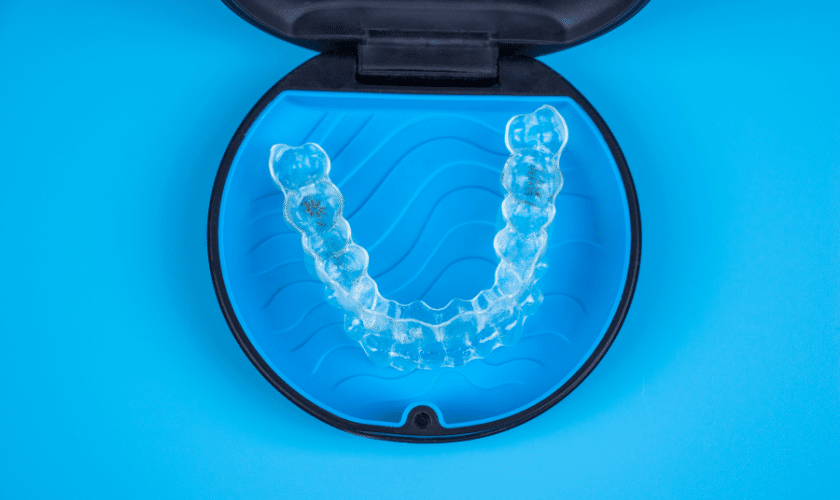
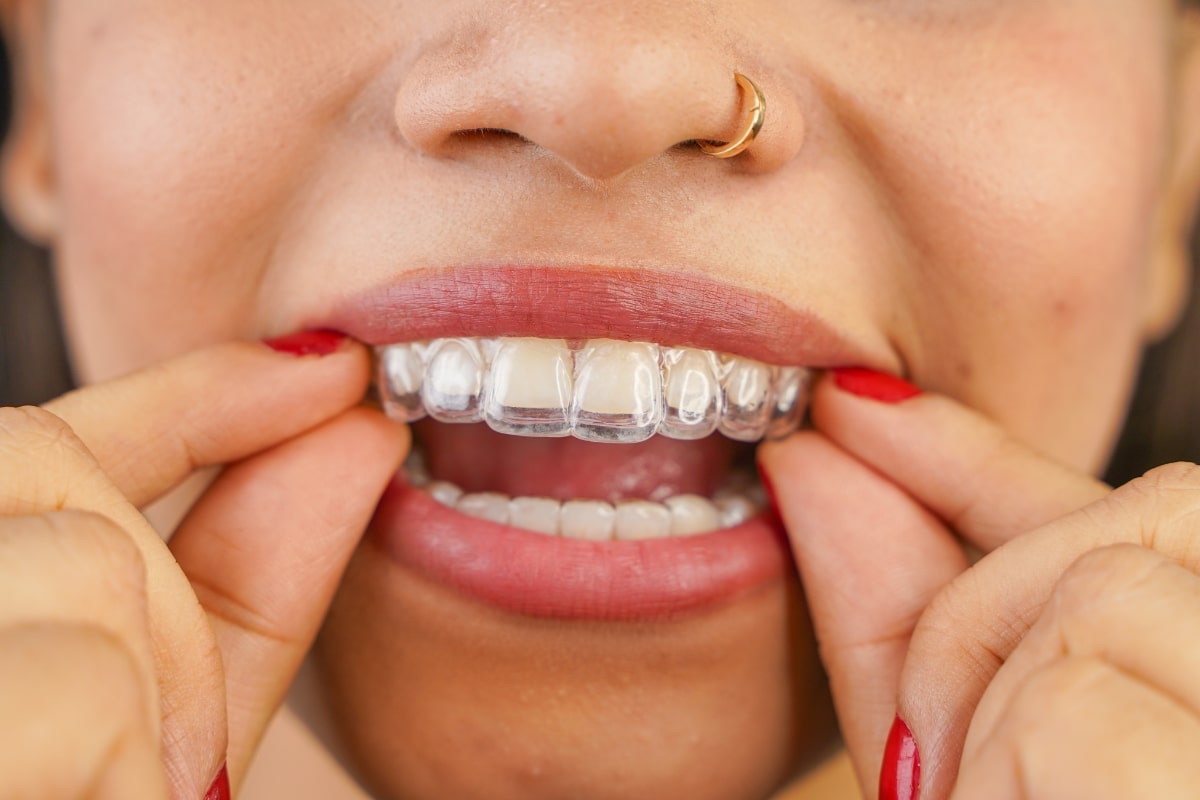
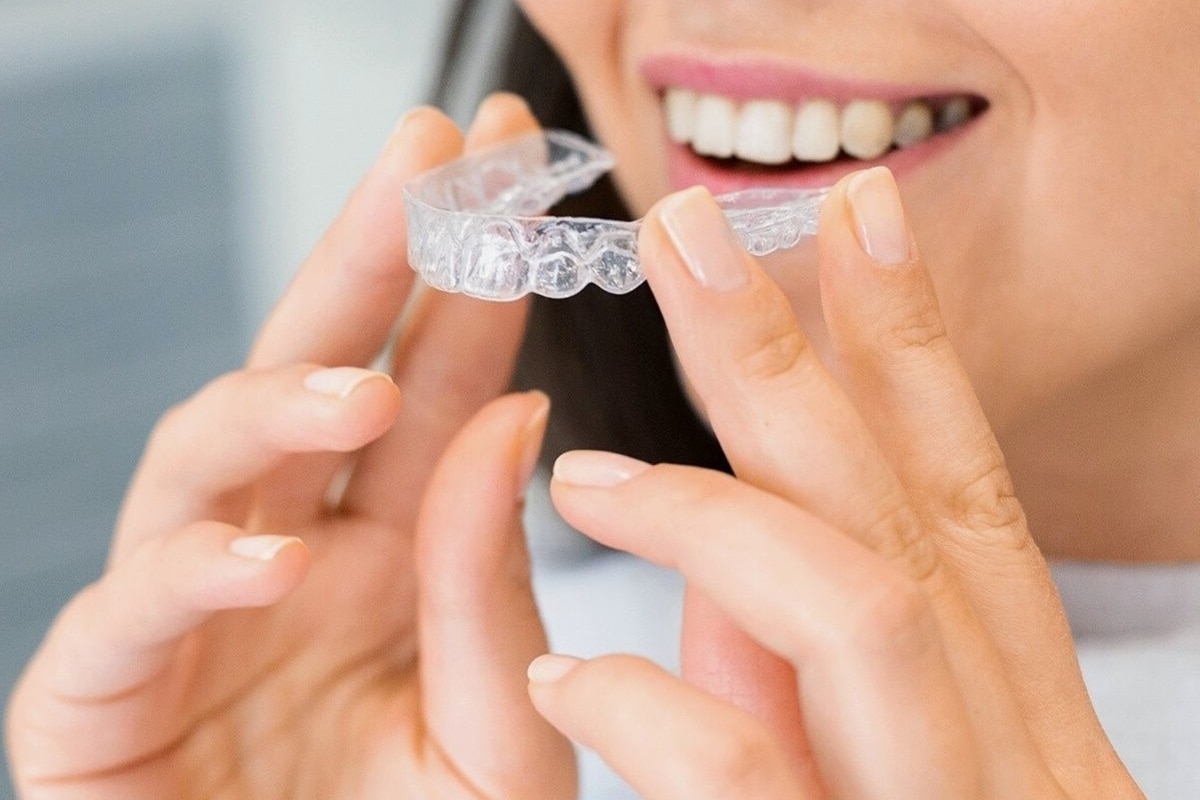
Embracing Invisalign treatment marks a commitment to discreetly enhancing your smile’s alignment. However, the introduction of attachments—subtle, tooth-colored projections on specific teeth—calls for a nuanced approach to dietary habits. Understanding the impact of foods on these attachments is pivotal in preserving their integrity and ensuring the efficacy of your treatment. Let’s delve into essential dietary guidance to safeguard your Invisalign attachments, empowering you to navigate dietary choices and protect your smile’s transformation.
Exploring the Role of Invisalign Attachments
Invisalign attachments are microscopic but pivotal elements of the treatment process. These small, tooth-colored bumps are strategically placed on teeth to facilitate precise movement during alignment. They provide leverage for the aligners to exert pressure on specific areas, aiding in targeted teeth adjustment. However, they can be sensitive to certain types of foods, necessitating careful dietary considerations.
Caution with Hard and Crunchy Foods
Foods that are hard or crunchy pose a potential risk to Invisalign attachments. Delicately placed on teeth, these attachments can be susceptible to damage from items like nuts, hard candies, popcorn kernels, and ice cubes. The forceful pressure exerted by biting or chewing on these hard substances might strain or dislodge the attachments, affecting treatment efficacy.
Sticky and Chewy Culprits
Sticky or chewy foods have a propensity to adhere to attachments, posing challenges in cleaning and potentially damaging them. Treats like caramel, chewing gum, gummy candies, and taffy can cling to attachments, compromising their stability and effectiveness. Limiting or avoiding these items reduces the risk of attachment-related issues.
Managing Tough Meats and Jerky
Chewing on tough meats or jerky can demand considerable force, which may strain attachments. To avoid placing undue stress on the attachments, opt for softer cuts of meat or tender alternatives. This precautionary measure ensures the attachments remain securely in place throughout the treatment.
The Dilemma of Hard Crusts and Firm Breads
Consuming hard crusts or tough pieces of bread involves significant force, potentially impacting Invisalign attachments. Steering away from food items like crusty bread, bagels, or hard rolls lessens the likelihood of dislodging or damaging the attachments. Choosing softer alternatives minimizes strain on the attachments.
Handling Raw Fruits and Vegetables
While raw fruits and vegetables are essential for a balanced diet, certain firm varieties can pose challenges for attachments. Foods like apples, carrots, and raw broccoli can exert pressure on attachments. Slicing these items into smaller, manageable pieces reduces strain on the attachments, safeguarding their stability.
Managing Carbonated and Acidic Beverages
Carbonated and acidic beverages can have adverse effects on attachment surfaces, potentially compromising their integrity. Limiting intake or using a straw to bypass direct contact with attachments minimizes the risk of erosion. This precaution preserves the attachments’ effectiveness during treatment.
Adopting Safe Eating Practices
During Invisalign treatment, prioritize softer and easily chewable foods to minimize stress on attachments. Embrace cooked vegetables, ripe fruits, pasta, yogurt, and smoothies to alleviate pressure on the attachments. Cutting food into smaller portions and chewing slowly also reduces the risk of attachment strain.
Maintaining Impeccable Oral Hygiene
Post-meal oral hygiene practices are paramount after consuming any food. Consistent routines involving brushing, flossing, and cleaning aligners according to prescribed methods ensure attachment cleanliness and security throughout your treatment.
Seeking Professional Guidance
Regular consultations with your orthodontist provide opportunities for evaluating attachment integrity and treatment progress. Seeking guidance regarding dietary choices and attachment care from your dental professional ensures the effectiveness and success of your Invisalign treatment.
The presence of Invisalign attachments necessitates mindful dietary choices to ensure treatment effectiveness. By comprehending the foods to avoid—especially those that may compromise attachment stability—you safeguard your treatment’s success and aligner efficacy. Empower your Invisalign journey by making informed dietary decisions, preserving your smile transformation, and ensuring treatment progresses smoothly.
Embracing Invisalign treatment marks a commitment to discreetly enhancing your smile’s alignment. However, the introduction of attachments—subtle, tooth-colored projections on specific teeth—calls for a nuanced approach to dietary habits. Understanding the impact of foods on these attachments is pivotal in preserving their integrity and ensuring the efficacy of your treatment. Let’s delve into essential dietary guidance to safeguard your Invisalign attachments, empowering you to navigate dietary choices and protect your smile’s transformation.
Exploring the Role of Invisalign Attachments
Invisalign attachments are microscopic but pivotal elements of the treatment process. These small, tooth-colored bumps are strategically placed on teeth to facilitate precise movement during alignment. They provide leverage for the aligners to exert pressure on specific areas, aiding in targeted teeth adjustment. However, they can be sensitive to certain types of foods, necessitating careful dietary considerations.
Caution with Hard and Crunchy Foods
Foods that are hard or crunchy pose a potential risk to Invisalign attachments. Delicately placed on teeth, these attachments can be susceptible to damage from items like nuts, hard candies, popcorn kernels, and ice cubes. The forceful pressure exerted by biting or chewing on these hard substances might strain or dislodge the attachments, affecting treatment efficacy.
Sticky and Chewy Culprits
Sticky or chewy foods have a propensity to adhere to attachments, posing challenges in cleaning and potentially damaging them. Treats like caramel, chewing gum, gummy candies, and taffy can cling to attachments, compromising their stability and effectiveness. Limiting or avoiding these items reduces the risk of attachment-related issues.
Managing Tough Meats and Jerky
Chewing on tough meats or jerky can demand considerable force, which may strain attachments. To avoid placing undue stress on the attachments, opt for softer cuts of meat or tender alternatives. This precautionary measure ensures the attachments remain securely in place throughout the treatment.
The Dilemma of Hard Crusts and Firm Breads
Consuming hard crusts or tough pieces of bread involves significant force, potentially impacting Invisalign attachments. Steering away from food items like crusty bread, bagels, or hard rolls lessens the likelihood of dislodging or damaging the attachments. Choosing softer alternatives minimizes strain on the attachments.
Handling Raw Fruits and Vegetables
While raw fruits and vegetables are essential for a balanced diet, certain firm varieties can pose challenges for attachments. Foods like apples, carrots, and raw broccoli can exert pressure on attachments. Slicing these items into smaller, manageable pieces reduces strain on the attachments, safeguarding their stability.
Managing Carbonated and Acidic Beverages
Carbonated and acidic beverages can have adverse effects on attachment surfaces, potentially compromising their integrity. Limiting intake or using a straw to bypass direct contact with attachments minimizes the risk of erosion. This precaution preserves the attachments’ effectiveness during treatment.
Adopting Safe Eating Practices
During Invisalign treatment, prioritize softer and easily chewable foods to minimize stress on attachments. Embrace cooked vegetables, ripe fruits, pasta, yogurt, and smoothies to alleviate pressure on the attachments. Cutting food into smaller portions and chewing slowly also reduces the risk of attachment strain.
Maintaining Impeccable Oral Hygiene
Post-meal oral hygiene practices are paramount after consuming any food. Consistent routines involving brushing, flossing, and cleaning aligners according to prescribed methods ensure attachment cleanliness and security throughout your treatment.
Seeking Professional Guidance
Regular consultations with your orthodontist provide opportunities for evaluating attachment integrity and treatment progress. Seeking guidance regarding dietary choices and attachment care from your dental professional ensures the effectiveness and success of your Invisalign treatment.
The presence of Invisalign attachments necessitates mindful dietary choices to ensure treatment effectiveness. By comprehending the foods to avoid—especially those that may compromise attachment stability—you safeguard your treatment’s success and aligner efficacy. Empower your Invisalign journey by making informed dietary decisions, preserving your smile transformation, and ensuring treatment progresses smoothly.