

Post-Periodontal Surgery Care: Diet, Pain Management and More
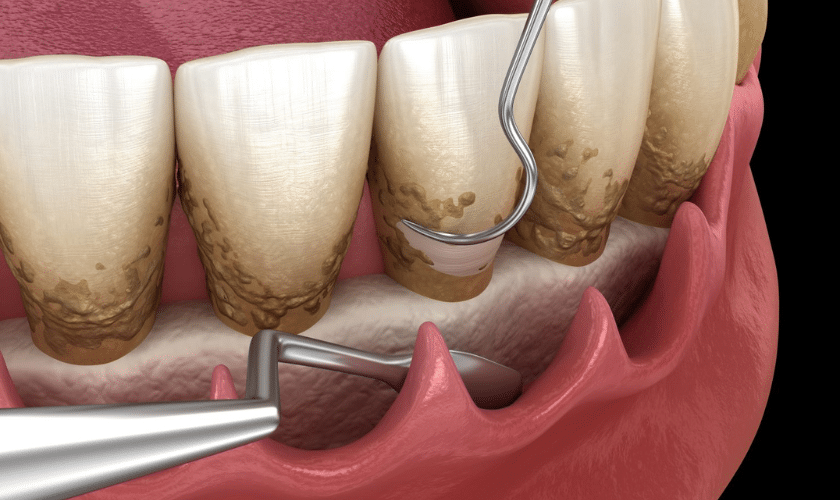
Periodontal surgery, despite its benefits for oral health, can leave you feeling worse for wear in the immediate aftermath. But fret not! With the right post-operative care, you can soothe the discomfort, promote healing, and ensure a smooth recovery.
This guide will walk you through the essential steps to take after periodontal surgery, from dietary adjustments to pain management and oral hygiene practices.
Post-Periodontal Surgery Recovery Timeline
The recovery timeline for periodontal surgery can vary depending on the complexity of the procedure and your healing rate. However, here’s a general overview of what you can expect:
Days 1-3
- Discomfort: You may experience some discomfort, swelling, and bleeding after surgery. This is normal and can be managed with pain medication as prescribed by your dentist.
- Activity: Avoid strenuous activity and exercise for the first few days.
- Diet: Stick to soft foods that are easy to chew and swallow. Avoid hot and spicy foods, as well as anything crunchy or hard.
- Oral hygiene: Gently brush your teeth, avoiding the surgical site. You can use a saltwater rinse to help keep the area clean.
Days 4-7
- Discomfort: The discomfort should start to subside.
- Swelling: The swelling should gradually decrease.
- Diet: You can gradually start to incorporate more solid foods into your diet.
- Oral hygiene: Continue to brush your teeth and use a saltwater rinse gently.
Weeks 1-2
- Stitches: Your stitches may be removed during this time.
- Discomfort: Most of the discomfort should be gone by now.
- Diet: You should be able to return to your normal diet.
- Oral hygiene: You can resume your normal oral hygiene routine, but be gentle around the surgical site.
Weeks 3-4
- Healing: The surgical site should be mostly healed by now.
- Follow-up appointment: You will likely have a follow-up appointment with your dentist to check on your healing progress.
Long-term
It is important to maintain good oral hygiene to prevent future problems. This includes brushing your teeth twice a day, flossing daily, and seeing your dentist for regular checkups and cleanings.
Diet: Fueling Your Recovery
Imagine your gums as a construction site after surgery. They need the right materials to rebuild and strengthen themselves. That’s where your diet comes in. Here’s what to keep in mind:
Stick to soft foods:
- Think mashed potatoes, yogurt, soups, scrambled eggs, and well-cooked vegetables.
- Opt for soft fruits like bananas and cooked applesauce.
- Avoid anything requiring hard chewing, or that could irritate the surgical site, like crunchy vegetables, nuts, and seeds.
Choose bland and non-acidic options: Steer clear of spicy, acidic, or citrusy foods, as they can sting and irritate the surgical area. This includes spicy sauces, salsa, tomatoes, and acidic fruits like oranges and grapefruits.
Stay hydrated: Water is crucial for healing and overall well-being. Aim for eight glasses of water daily, and consider incorporating hydrating foods like watermelon and cucumber into your diet.
Avoid hot or cold extremes: Let your food cool down before taking a bite. Extremely hot or cold temperatures can irritate the surgical site and hinder healing.
Listen to your body: Don’t force yourself to eat if you’re not feeling hungry. However, it’s crucial to stay nourished for optimal healing.
Pain Management: Taming the Discomfort
It’s natural to experience some discomfort following surgery. Here’s how to manage it:
Follow your dentist’s instructions: They will prescribe pain medication, typically over-the-counter pain relievers like ibuprofen or acetaminophen. Take them as directed to stay ahead of the discomfort.
Apply ice packs: Use a cold compress wrapped in a thin towel to reduce swelling and pain. Apply it to the outside of your cheek near the surgical area for 15-20 minute intervals, followed by breaks to avoid skin irritation.
Rest: Getting enough sleep allows your body to focus on healing. Take time off from work or strenuous activities if needed.
Oral Hygiene: Keeping it Clean and Gentle
Maintaining good oral hygiene is crucial after surgery to prevent infection and promote healing. However, it would help if you adapted your routine to be gentle on the surgical site. Here’s how:
Brush softly:
- Use a soft-bristled toothbrush and gentle brushing motions.
- Avoid brushing directly on the surgical area for the first few days.
- Focus on other areas of your mouth and gradually incorporate the surgical site back into your routine.
Saltwater rinses: Mix half a teaspoon of table salt in a cup of warm water and gently swish for 30 seconds, three times a day. This helps remove debris and promotes healing.
Floss carefully: Avoid using traditional floss, which can irritate the surgical site. Consider using a water flosser or a soft, interdental brush to clean between teeth.
Additional Tips for a Smooth Recovery
- Elevate your head: While sleeping, prop yourself up with extra pillows to reduce swelling.
- Avoid smoking and alcohol: These can hinder healing and increase the risk of infection.
- Limit strenuous activities: Avoid strenuous exercise or activities that could increase your heart rate and blood pressure for the first few days.
- Follow-up appointments: Attend all scheduled follow-up appointments with your dentist to monitor your healing progress and address any concerns.
Everyone heals at their own pace. Be patient and listen to your body. If you experience any unusual symptoms like excessive bleeding or severe pain that doesn’t respond to medication or fever, contact your dentist immediately.
By following these guidelines and prioritizing a healthy recovery routine, you can ensure a smooth and successful journey toward a healthier smile after periodontal surgery.
Remember, a little care goes a long way in ensuring a comfortable recovery and achieving the best possible results from your dental treatment.