
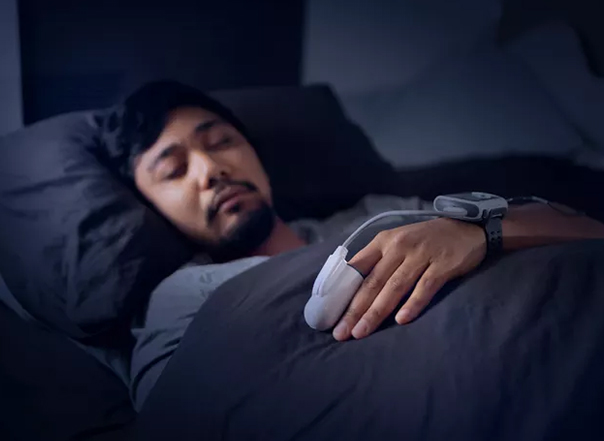
If you experience frequent awakenings throughout the night, grappling with breathing difficulties, and your partner is troubled by your persistent and disruptive snoring, there is a possibility that you may be dealing with sleep apnea. In such instances, undergoing home sleep apnea testing is crucial to confirm the presence of sleep apnea. This diagnostic step is instrumental in determining the appropriate treatment for your condition.
What Is Sleep Apnea?
Sleep apnea is a sleep disorder marked by the obstruction of air passages from the mouth to the lungs. While asleep, the muscles in the mouth and pharynx relax, potentially causing the tongue and muscles to impede the airway. This often results in recurring awakenings and challenges in breathing during sleep. If you're curious, don't hesitate to ask about our Home Sleep Apnea Testing.
Why It's Important to Address Sleep Apnea
While snoring and frequent awakenings during the night can be quite troublesome, the repercussions of sleep apnea go beyond these minor inconveniences. Sleep apnea can contribute to a range of health issues, including fatigue, memory loss, heart disease, stroke, obesity, depression, and more. Addressing sleep apnea is vital to mitigate the risk of these health conditions. However, the initial step towards seeking treatment is determining whether or not you have sleep apnea.
Sleep apnea testing can now be done in the comfort of your own home.
Portable diagnostic devices known as home sleep apnea tests empower individuals to undergo sleep apnea testing within the comfort of their homes. These tests collect data on various physiological parameters during sleep, such as breathing patterns, blood oxygen levels, and heart rate. By tracking these factors, home sleep apnea tests provide valuable insights into the presence and severity of sleep apnea.
Treatment Options
Numerous treatment options are available to address both the symptoms and underlying causes of sleep apnea. Patients often choose between a CPAP machine or an oral appliance to alleviate symptoms. While CPAP machines are highly effective, their use can be cumbersome. On the contrary, oral appliances, akin to bite guards used for teeth grinding, offer greater comfort.
Nevertheless, effectively treating sleep apnea requires addressing its root cause. This often entails lifestyle changes, such as quitting smoking, reducing alcohol consumption, and adopting a healthier diet.
If you suspect you may have sleep apnea, consulting your dentist for testing is advisable. Inquire about the potential for home testing, which can streamline diagnosis and subsequent treatment by your doctor.