
Is Oral Cancer Screening Necessary for Non-Smokers?
When most people think of oral cancer, they may assume it’s something that only affects smokers or heavy drinkers. However, oral cancer is not limited to individuals with these habits. It can affect anyone, regardless of their lifestyle choices. In fact, many people who are non-smokers and don’t consume alcohol can also be at risk. This is why oral cancer screenings have become an essential part of routine dental visits. In this blog, we’ll explore why oral cancer screening in Hugo is necessary for everyone, even those who don’t smoke.
What Is Oral Cancer?
Oral cancer refers to cancers that develop in the mouth or throat. It can occur on the lips, tongue, gums, the roof or floor of the mouth, and the inner lining of the cheeks. Like other cancers, it often begins as a small, unnoticed lesion or sore. Over time, these can grow and spread, making early detection critical to successful treatment.
While smoking and alcohol consumption are the most common risk factors for oral cancer, other factors play a role as well. For instance, the human papillomavirus (HPV), a common viral infection, is linked to oral cancers, particularly in non-smokers. That’s why regular screenings are essential, even if you don’t have traditional risk factors.
Who Is At Risk for Oral Cancer?
Anyone can be affected by oral cancer, regardless of their smoking or drinking habits. The following are known risk factors:
- HPV infection: The oral strain of HPV is increasingly linked to oral cancers.
- Age: Oral cancer risk increases with age, particularly after 40.
- Family history: A family history of oral cancer may increase your chances of developing it.
- Diet: A diet low in fruits and vegetables can increase the risk.
- Sun exposure: Excessive sun exposure can increase the risk of lip cancer.
Even if you are a non-smoker and don’t drink alcohol, these other factors can still make you susceptible to oral cancer. For this reason, an oral cancer screening in Hugo is an essential part of maintaining your oral health.
Why Oral Cancer Screenings Are Crucial for Non-Smokers
Early detection saves lives. Oral cancer often doesn’t show symptoms until it’s in its later stages. Regular screenings ensure that suspicious areas of the mouth are detected early, enabling timely intervention.
For non-smokers, oral cancer might seem like an unlikely concern, but this misconception can delay necessary treatment. By scheduling regular oral cancer screenings as part of your routine dental visits, you’ll be making proactive steps toward preventing serious health complications.
What Happens During an Oral Cancer Screening?
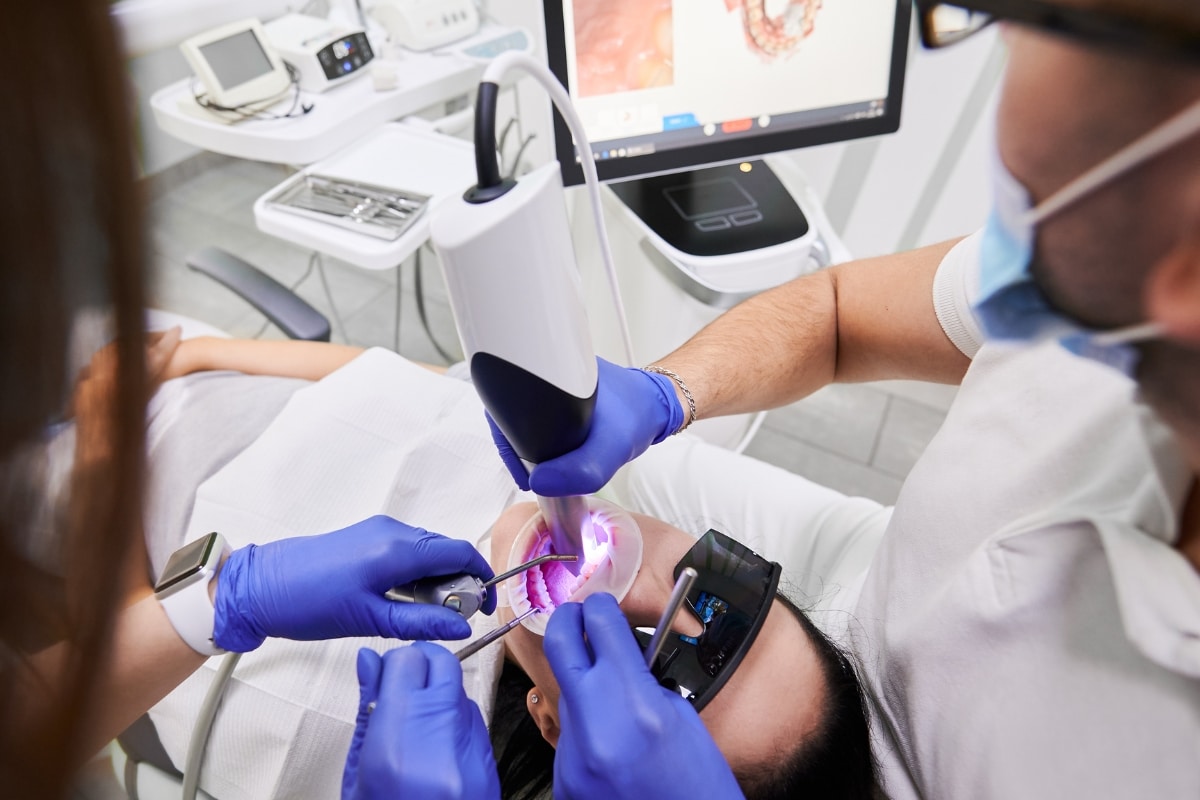
At your next dental visit, you can expect the dentist to perform a quick and non-invasive exam. The procedure typically includes:
- Visual Inspection: Your dentist will look for any unusual lumps, patches, or lesions in your mouth. These may be white, red, or discolored spots that are warning signs.
- Palpation: Your dentist will examine your neck, face, and jaw for any irregularities or masses that could indicate cancer.
- Oral Tools: In some cases, the dentist may use special tools or dyes that make it easier to identify suspicious areas.
- Referral for Further Testing: If the dentist notices something concerning, they may refer you for further testing, such as a biopsy or imaging scans.
What to Expect After Your Screening
Most of the time, a routine oral cancer screening in Hugo will be quick and straightforward. If any suspicious areas are identified, your dentist may recommend further diagnostic tests. These tests could include:
- Biopsy: A small tissue sample is taken and examined in a laboratory for signs of cancer.
- Imaging: X-rays or CT scans may be used to get a clearer view of the area in question.
The goal is to catch potential issues early, ensuring the best possible treatment outcome.
While smoking and drinking are still the leading causes, an increasing number of patients diagnosed with oral cancer are non-smokers. This shift underscores the need for all patients, regardless of lifestyle, to include oral cancer screenings as part of their regular dental care. Early detection of oral cancer through routine screenings can help preserve both your health and your quality of life.
Key Symptoms to Watch Out For
While oral cancer screening in Hugo is essential for all, knowing the symptoms of oral cancer can also help you take action if anything seems unusual. Some common signs to watch for include:
- Unexplained mouth sores or ulcers that don’t heal
- Persistent pain in the mouth, neck, or jaw
- Difficulty swallowing or chewing
- Lumps or bumps inside the mouth or on the lips
- A persistent sore throat or hoarseness
- Unexplained bleeding in the mouth
If you notice any of these symptoms, it’s important to schedule an appointment with your dentist right away. Early intervention can make all the difference in successfully treating oral cancer.
How Can You Protect Yourself?
Beyond routine screenings, there are steps you can take to reduce your risk of oral cancer:
- Quit smoking and limit alcohol consumption.
- Get the HPV vaccine: It can protect against HPV strains that cause oral cancers.
- Eat a balanced diet: Include plenty of fruits and vegetables to help boost your immune system.
- Wear lip balm with SPF to protect against sun damage.
- Maintain good oral hygiene: Regular brushing and flossing help maintain overall oral health.
Make Your Appointment for Oral Cancer Screening in Hugo Today
If you haven’t had an oral cancer screening recently, now is the perfect time to schedule an appointment with us at Lakeview Family Dentist. Even if you are a non-smoker or do not drink, oral cancer can affect anyone, which is why routine screenings are crucial to maintaining your health.
Contact us today to book your oral cancer screening in Hugo and protect your smile for years to come.
FAQs
Q1: How often should I have an oral cancer screening?
Most dentists recommend having an oral cancer screening at least once a year, as part of your routine dental checkup.
Q2: Is the oral cancer screening painful?
No, oral cancer screenings are quick, non-invasive, and usually pain-free. It involves a visual inspection and a physical exam of the mouth and neck.
Q3: Can oral cancer be cured if caught early?
Yes, when detected in the early stages, oral cancer is highly treatable, and the chances of successful treatment and recovery are significantly higher.
Q4: Can oral cancer affect people who are not at high risk?
Yes, while smoking and alcohol use increase the risk, oral cancer can affect non-smokers as well, especially those with a history of HPV or poor diet.
Q5: What happens if my screening shows suspicious results?
If any abnormalities are found during the screening, your dentist may recommend further testing, such as a biopsy, to determine whether cancer is present.