
Traditional Braces vs. Invisalign® for Teens: Which Option is Best for Your Child?

When it comes to your teen’s smile, choosing the right orthodontic treatment can feel overwhelming. With so many options available, you might be wondering which method is the best fit for their lifestyle and dental needs.
Two popular choices stand out: Invisalign® and traditional braces.
Both have their unique benefits, but each works a little differently. While Invisalign® offers a discreet, flexible approach, traditional braces provide a time-tested solution for complex dental issues.
In this blog, we’ll break down both options, comparing how they work, their benefits, and what you should consider to make the best decision for your teen’s smile.
Let’s dive into the details so you can make an informed choice!
How Invisalign® Works for Teens?
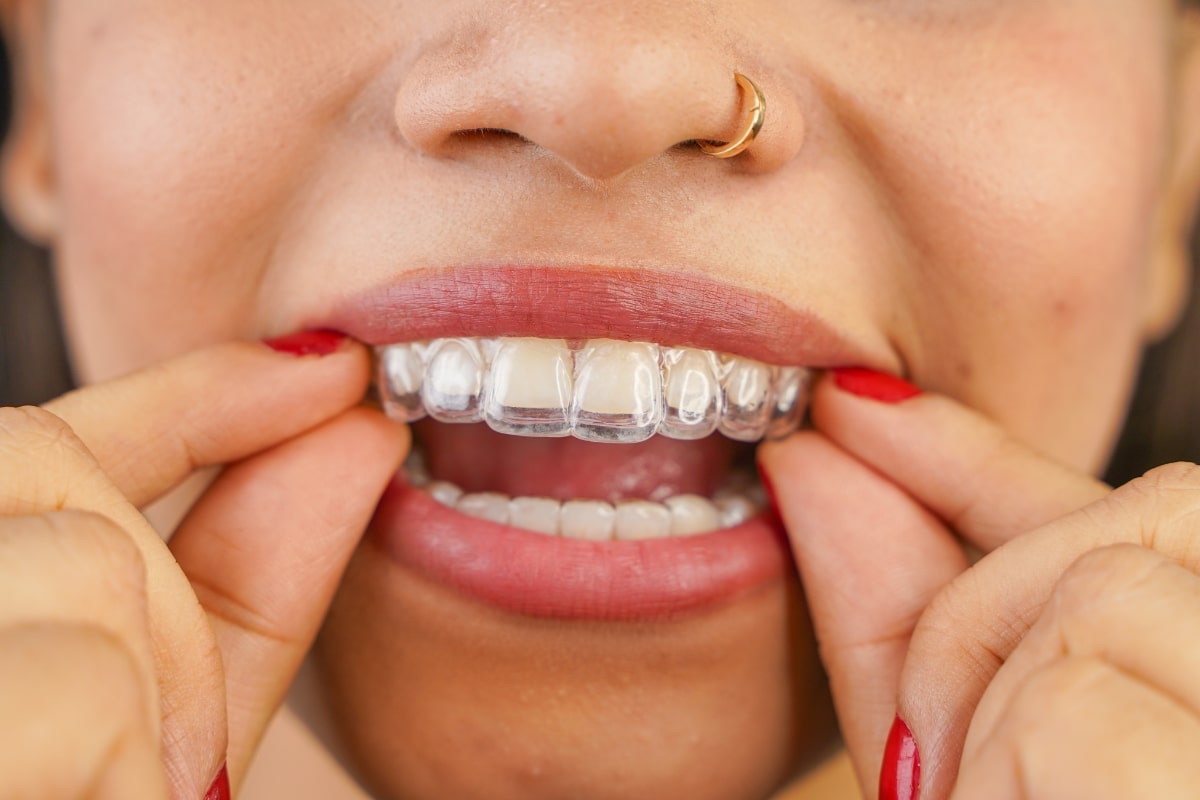
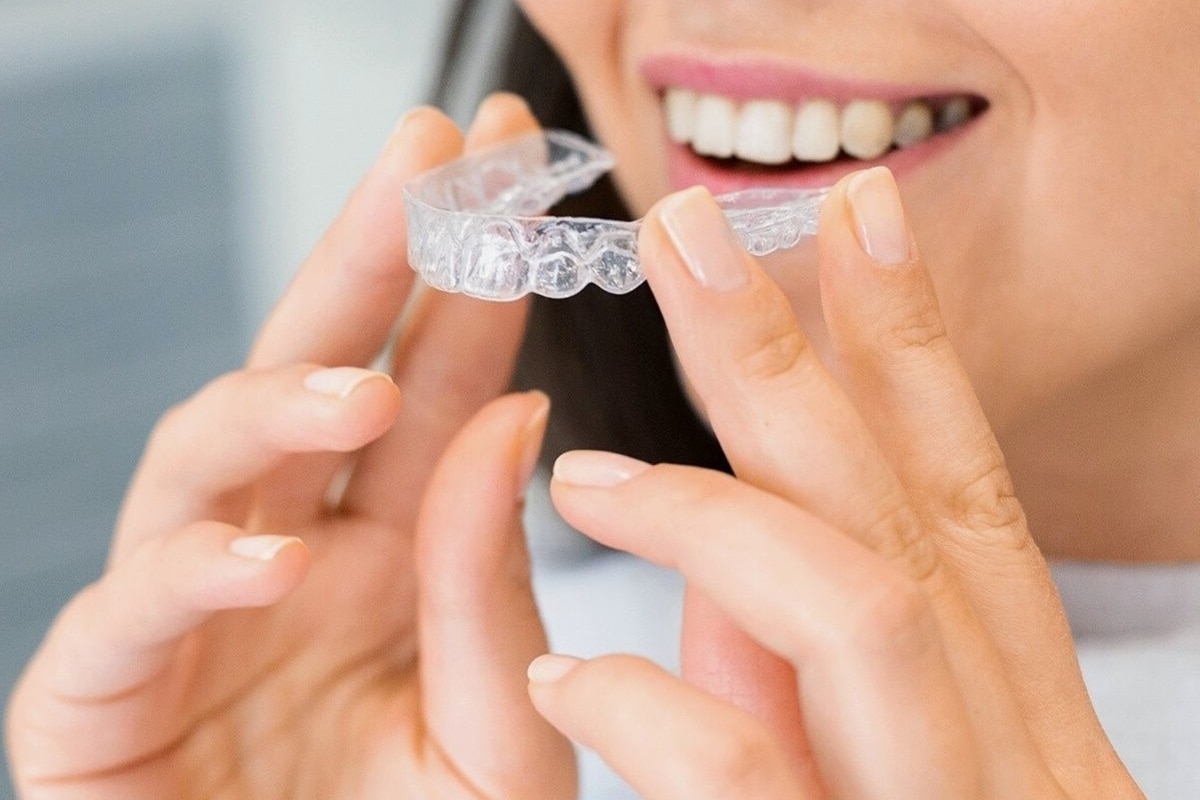
Invisalign® is a modern solution that aligns teeth using clear, removable aligners. It offers a comfortable and convenient way to achieve a straight smile. Unlike traditional braces, Invisalign® aligners are practically invisible and allow for more freedom in daily activities.
- Aligners are custom-made to fit each teen’s teeth.
- They gradually shift teeth into their desired position over time.
- Aligners are removable, allowing for easy eating, brushing, and flossing.
- The clear design is less noticeable than metal braces.
- Treatment often involves fewer appointments, reducing disruption to a teen’s schedule.
Invisalign® for teens in Hugo has become a top choice due to these benefits, helping teens feel confident about their smiles while undergoing treatment.
Traditional Braces: How They Compare to Invisalign®?
Traditional metal braces have been around for decades and still remain an effective solution for teeth alignment. They use brackets, wires, and rubber bands to straighten teeth over time.
- Braces are attached directly to the teeth, and consistent pressure is used to move them into position.
- They are often more noticeable than Invisalign® aligners.
- Braces are ideal for more complex alignment cases.
- Maintenance involves regular adjustments with a professional.
While traditional braces have a proven track record, Invisalign® offers a more discreet and flexible option for teens who want a less visible treatment. However, braces may be better suited for complicated orthodontic needs.
Factors to Consider: Which Treatment is Right for Your Teen?
When deciding between Invisalign® and traditional braces, several factors come into play. It’s important to choose the treatment that best fits your teen’s needs, lifestyle, and preferences.
- Consider the complexity of the dental issue: Invisalign® is great for mild to moderate cases, while traditional braces handle more severe alignment problems.
- Think about lifestyle: Invisalign® offers greater flexibility, while braces may require more maintenance and have food restrictions.
- Evaluate aesthetics: Invisalign® aligners are virtually invisible, which appeals to teens concerned about their appearance.
Consulting with a dentist will help ensure the best choice for your teen’s unique needs.
Benefits of Invisalign® for Teens
Invisalign® offers several advantages that make it particularly appealing for teenagers. The treatment is both effective and practical, offering convenience without sacrificing results.
- The clear aligners provide a discreet solution that teens can wear without feeling self-conscious.
- Fewer dietary restrictions: Teens can remove the aligners to eat, avoiding the issues associated with braces, like food getting stuck in wires.
- Comfortable to wear: Invisalign® aligners are smooth and don’t irritate gums like traditional braces can.
- Aligners are removable, making oral hygiene easier.
- Invisalign® boosts confidence, as teens don’t have to worry about the appearance of braces.
What’s Involved in the Invisalign® Treatment Process?
Invisalign® treatment is a step-by-step process that ensures the best results. It starts with a consultation and ends with a beautiful, aligned smile.
- The first step involves an initial consultation where the orthodontist assesses the teen’s teeth and determines if Invisalign® is suitable.
- Custom aligners are created based on 3D scans or impressions of the teen’s mouth.
- The teen wears each set of aligners for about two weeks, gradually shifting the teeth.
- Follow-up appointments are scheduled every 6-8 weeks to monitor progress.
- Treatment length typically lasts between 12-18 months, depending on the complexity of the case.
With Invisalign®, the process is efficient and convenient, allowing teens to maintain their active lifestyles while achieving a straight, beautiful smile.
Choosing between Invisalign® and traditional braces can be a tough decision, but Invisalign® offers flexibility, comfort, and discretion, making it an excellent choice for many teens. With its clear aligners, easy maintenance, and ability to fit into a teen’s active lifestyle, Invisalign® helps them achieve the smile they’ve always wanted. Consult with our team of dental professionals to determine the best option.