

Sleep Apnea Treatment: 5 Questions New Patients Ask Before Starting
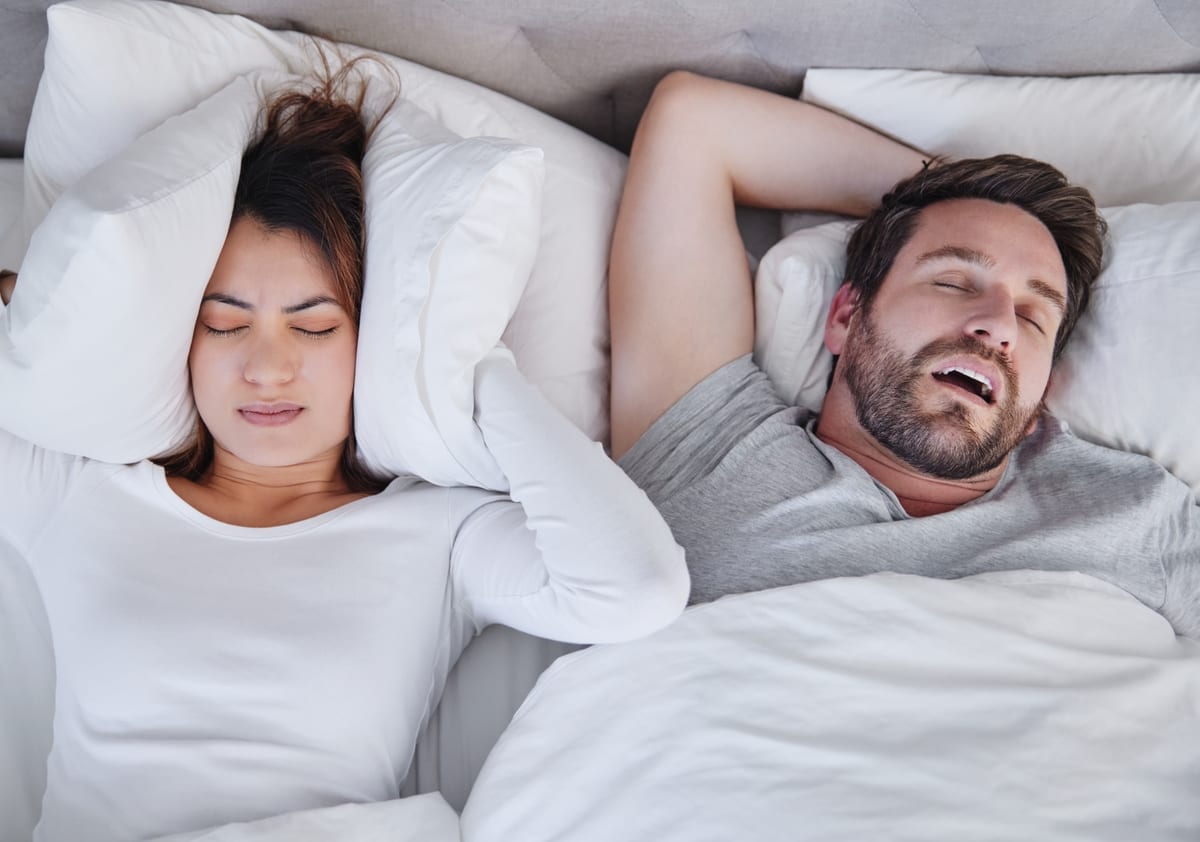
If you live in Lino Lakes and suspect you have sleep apnea, you probably have a lot of questions. Sleep apnea treatment can feel overwhelming before you even start. At Lakeview Family Dentistry Hugo, Dr. Drew Carrell helps new patients navigate this process every day. These are the five most common questions we hear from Lino Lakes patients before starting sleep apnea treatment.
Question 1: How Do I Know If I Actually Need Sleep Apnea Treatment in Lino Lakes?
Many patients arrive unsure whether their symptoms are serious. Loud snoring, gasping during sleep, and daytime fatigue are the most common warning signs. Morning headaches and difficulty concentrating are also red flags worth addressing. If a partner or family member has noticed you stopping breathing at night, that is a strong signal to seek evaluation.
A formal sleep study is typically the first step. This test measures your breathing patterns, oxygen levels, and sleep cycles overnight. Dr. Carrell reviews these results with you in plain language. You will leave the consultation with a clear understanding of whether treatment is the right next step.
Common symptoms that bring Lino Lakes patients to our office include:
- Loud, chronic snoring
- Waking up gasping or choking
- Excessive daytime sleepiness
- Dry mouth or sore throat in the morning
- Difficulty staying asleep through the night
Question 2: What Are My Sleep Apnea Treatment Options?
This is the question most new patients are most eager to have answered. Many people associate sleep apnea treatment exclusively with a CPAP machine. However, dental appliance therapy is a highly effective alternative for mild to moderate cases. Dr. Carrell specializes in oral appliance therapy right here in Hugo, serving the greater Lino Lakes area.
Oral appliances fit much like a mouthguard. They gently reposition your jaw to keep your airway open while you sleep. Patients often find them far more comfortable than CPAP machines. Compliance rates are also significantly higher with oral appliances because they are easier to use.
For patients with more complex needs, combination therapy using both a CPAP and an oral appliance is also an option. Your treatment plan always starts with a thorough evaluation. Dr. Carrell tailors each recommendation to your specific anatomy and lifestyle. No two treatment plans look exactly the same.
As part of your overall oral health, sleep apnea treatment connects closely to your broader dental care. Patients interested in Restorative Dentistry Lino Lakes services will find that addressing sleep apnea can actually protect teeth from the grinding that often accompanies it.
Question 3: How Long Does Sleep Apnea Treatment Take Before I See Results?
Patients in Lino Lakes frequently ask how quickly they can expect to feel better. The honest answer is that most people notice improvements within the first few weeks. Better sleep quality is usually the first change patients report. Daytime energy levels and mood often follow closely behind.
Here is what the typical timeline looks like for oral appliance therapy:
- Week 1–2: You receive and begin wearing your custom appliance nightly.
- Week 2–4: Your jaw adjusts and discomfort, if any, typically fades.
- Month 1–2: A follow-up sleep study confirms whether the appliance is working effectively.
- Month 3+: Most patients report consistent, measurable improvements in sleep quality.
Adjustments to your appliance may be needed during the first few months. Dr. Carrell schedules follow-up appointments to ensure your device fits correctly. Open communication during this phase makes a significant difference in outcomes. Patients who stay engaged with follow-up care tend to see the best results.
Question 4: Is Sleep Apnea Treatment Comfortable? What Will I Feel?
Comfort is a legitimate concern, especially for first-time patients. Many Lino Lakes residents hesitate to start treatment because they fear discomfort. Oral appliances are custom-fitted to your teeth and jaw, which makes a significant difference. Unlike over-the-counter devices, a custom appliance is designed specifically for your mouth.
Some patients experience mild soreness in the jaw during the first week or two. This is normal and typically resolves quickly as your muscles adapt. Most patients describe their appliance as easy to forget about after the initial adjustment period. If discomfort persists, Dr. Carrell can make precise modifications to improve the fit.
The benefits of choosing a custom dental appliance include:
- A precise fit tailored to your specific bite
- Minimal bulk compared to over-the-counter options
- Durable materials designed to last several years
- Easy to clean and travel with
- No noise — unlike CPAP machines
Patients who have previously tried CPAP and found it intolerable often discover oral appliances are a much more sustainable solution. Comfort directly affects compliance. Higher compliance means better health outcomes over time. Dr. Carrell’s goal is to find the solution you will actually use every night.
Question 5: How Does Sleep Apnea Treatment Connect to My Overall Dental Health?
This question often surprises new patients. Sleep apnea and dental health are more connected than most people realize. Untreated sleep apnea is often linked to teeth grinding, known as bruxism. Grinding erodes enamel and can cause significant tooth damage over time.
Treating sleep apnea can therefore protect your teeth from further wear. Patients who address both issues together often see the greatest long-term dental benefits. Dr. Carrell takes a whole-mouth approach to your care. Sleep health is part of that bigger picture.
Patients dealing with tooth damage related to grinding may also benefit from exploring Restorative Dentistry Lino Lakes options to repair any existing wear. Combining restorative care with sleep apnea treatment creates a comprehensive path to better oral health. Both issues deserve attention, and addressing them together is always more effective. Dr. Carrell is happy to discuss both concerns at a single consultation.
What Lino Lakes Patients Should Know Before Their First Appointment
Coming prepared to your first visit makes the process much smoother. Bring any records from a previous sleep study if you have had one done. Write down your symptoms so you do not forget any details during the appointment. The more information Dr. Carrell has, the more tailored your care can be.
You should also think about your sleep habits and patterns ahead of time. Questions about how often you snore or how rested you feel are common during the initial consultation. There are no wrong answers. Every piece of information helps build a more accurate picture of your needs.
Lakeview Family Dentistry Hugo is conveniently located to serve Lino Lakes residents looking for expert, compassionate care. Dr. Carrell and the team are committed to making sure every new patient feels informed and comfortable from day one. Sleep apnea is a serious condition, but effective, manageable treatment options exist. You do not have to keep waking up exhausted. Book Now to schedule your appointment with our team.
Frequently Asked Questions
Can a dentist treat sleep apnea, or do I need to see a sleep specialist?
Dentists trained in dental sleep medicine, like Dr. Drew Carrell, can provide oral appliance therapy for mild to moderate obstructive sleep apnea. A formal diagnosis typically requires a sleep study, which may be ordered by your primary care physician or a sleep specialist. Once diagnosed, Dr. Carrell works with your medical team to design an appropriate treatment plan.
How is a dental sleep appliance different from a CPAP machine?
A CPAP machine delivers pressurized air through a mask to keep your airway open during sleep. A dental oral appliance is a small, custom-fitted device worn in the mouth that repositions the jaw to prevent airway collapse. Many patients find oral appliances easier to tolerate, especially those who have struggled with CPAP compliance.
Is sleep apnea treatment a one-time fix or an ongoing process?
Sleep apnea treatment is typically an ongoing process rather than a one-time fix. Oral appliances require periodic adjustments and replacement over time. Follow-up sleep studies help confirm that treatment remains effective as your body changes. Regular check-ins with Dr. Carrell ensure your treatment continues to meet your needs.
What happens if I leave sleep apnea untreated?
Untreated sleep apnea is associated with serious health risks, including high blood pressure, cardiovascular disease, stroke, and diabetes. It can also significantly impair cognitive function and daytime alertness. From a dental perspective, untreated sleep apnea often contributes to teeth grinding, which can cause significant enamel loss and tooth damage over time.
How long does it take to get a custom oral appliance?
After your initial consultation and evaluation, most custom oral appliances take approximately two to four weeks to fabricate. Dr. Carrell takes precise impressions or digital scans of your teeth to ensure an accurate fit. Once your appliance is ready, you will return for a fitting appointment and receive instructions on how to use and care for it properly.