
What Invisalign Success Really Requires: Habits That Transform Results
Understanding what Invisalign success really requires — and building the right habits — makes all the difference in Hugo. Many patients start treatment with excitement. But the patients who finish with stunning results are the ones who commit to daily disciplines. Dr. Drew Carrell at Lakeview Family Dentistry Hugo has helped many patients achieve straighter smiles by focusing on exactly these habits.
This guide walks you through the routines, mindsets, and practical tips that separate great outcomes from average ones. Whether you are just starting or already mid-treatment, these strategies apply directly to your journey.
Why Wear Time Is the Foundation of Invisalign Success in Hugo
Aligners work through consistent, gentle pressure on your teeth. That pressure only exists when the aligners are actually in your mouth. Skipping hours adds up quickly and can delay your entire treatment timeline.
The standard recommendation is 20 to 22 hours of wear per day. That leaves just two to four hours for eating, drinking, and cleaning. Many patients underestimate how little flexible time that actually provides.
Here is what successful Invisalign patients do differently with wear time:
- They set phone alarms as reminders to put aligners back after meals.
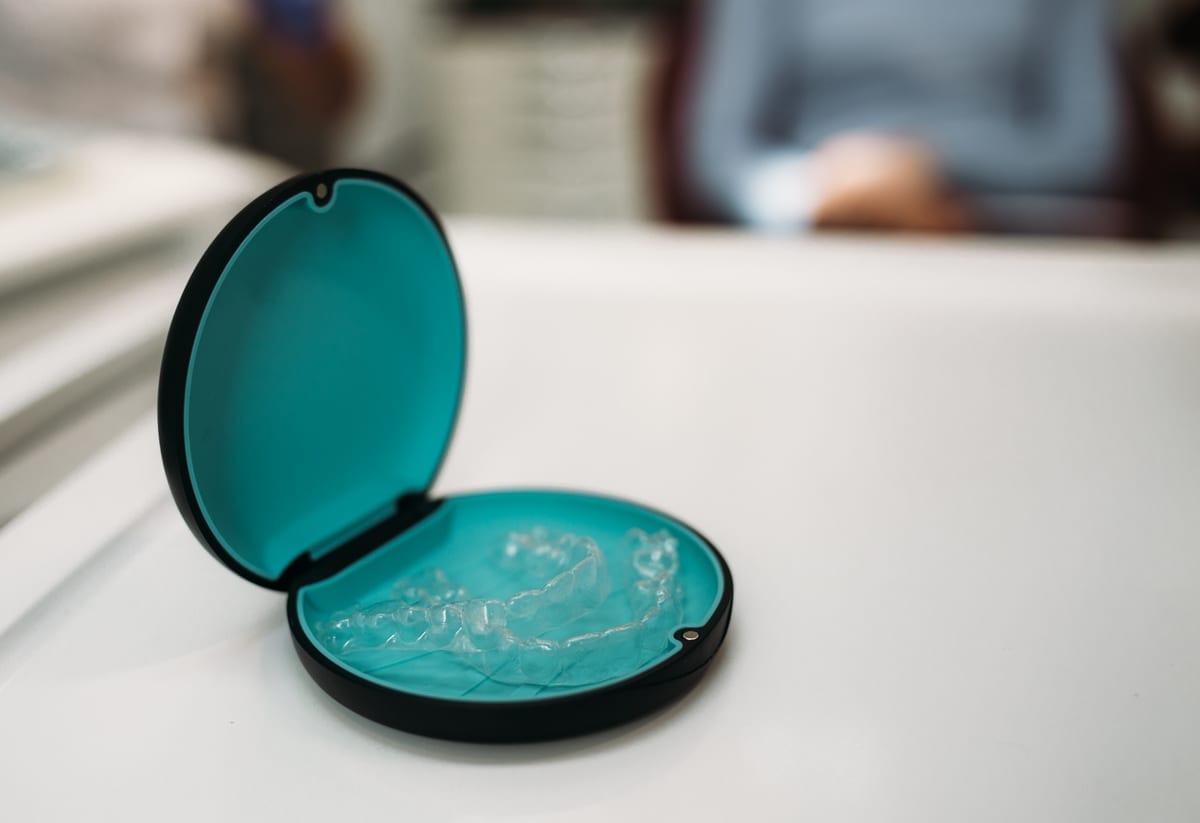
- They keep a small case with them everywhere to avoid losing aligners.
- They track daily wear time honestly, even when they slip up.
- They prioritize wear time over social discomfort about others noticing aligners.
Skipping wear time is the single most common reason patients experience slow progress. Dr. Carrell reviews your progress at each checkup. Consistent wear helps those appointments confirm everything is on track.
Cleaning Routines That Protect Your Teeth and Aligners
Invisalign creates a unique oral environment. Aligners sit snugly against your teeth for most of the day. Any food debris or bacteria trapped underneath can cause decay very quickly.
Successful patients treat each mealtime as a full oral care moment. They do not just rinse and reinsert. They brush, floss, and clean their aligners before putting them back in.
A strong cleaning routine looks like this:
- Remove aligners before every meal or drink other than water.
- Rinse aligners immediately after removal to prevent drying of saliva.
- Brush and floss thoroughly after eating before reinserting.
- Clean aligners daily with a soft toothbrush and mild soap — never toothpaste.
- Soak aligners in Invisalign cleaning crystals or a retainer cleaner regularly.
Toothpaste sounds like an obvious choice for cleaning aligners. However, it is often too abrasive and causes micro-scratches that harbor bacteria. Mild soap or purpose-made cleaning tablets are far safer options.
Keeping up with your general dental health during Invisalign also matters enormously. Issues like cavities or gum problems can interrupt your treatment. Patients receiving Restorative Dentistry Hugo services alongside Invisalign understand the importance of addressing any existing dental concerns before or during aligner treatment.
How to Handle Setbacks Without Losing Momentum
Every Invisalign patient faces setbacks at some point. An aligner may crack. You might lose a tray. Life events may disrupt your schedule for a few days. What separates successful patients is how they respond.
The worst reaction is to quietly ignore the problem and hope it resolves itself. Aligners work in a sequence. Losing track of where you are — or wearing a damaged tray without reporting it — can misalign your whole treatment plan.
Here is how to handle common setbacks effectively:
- Lost aligner: Contact Dr. Carrell’s office immediately. Move back to the previous tray while waiting for a replacement.
- Cracked aligner: Do not wear a broken tray. Call the office and follow guidance on whether to go back or forward.
- Missed days of wear: Resume immediately and wear the current tray extra diligently. Do not skip ahead to compensate.
- Discomfort with a new tray: Mild soreness for the first day or two is completely normal. It signals the aligner is working.
Patients who communicate openly with Dr. Carrell during setbacks always recover faster. There is never a reason to feel embarrassed about a slip. The team at Lakeview Family Dentistry Hugo is here to help you course-correct quickly.
Aligner Care Habits That Extend Results Long-Term
Invisalign does not end when your last tray is complete. Retainer wear after treatment is what locks in your new smile. Patients who skip retainers often experience unwanted shifting within months.
Treating your final retainer with the same discipline you gave your aligners is essential. Most patients need to wear retainers nightly for life to maintain results. That sounds daunting, but it becomes second nature quickly.
Long-term aligner care habits also include keeping your mouth healthy year-round. Regular cleanings and checkups with Dr. Carrell catch small issues before they become big ones. Patients who have needed Restorative Dentistry Hugo treatments know firsthand how prevention saves time, discomfort, and effort down the road.
The mindset that makes Invisalign patients successful is simple. They treat orthodontic treatment as an investment worth protecting. That investment does not stop at the last aligner — it continues with smart habits for years.
Building a Daily Routine That Makes Compliance Feel Natural
The biggest challenge with Invisalign compliance is not willpower. It is habit formation. Patients who struggle usually have not built a system that makes good choices automatic.
Tying aligner routines to existing habits is a proven strategy. For example, always removing aligners before a meal and cleaning them immediately after makes oral care part of the eating routine — not a separate chore.
Here are simple ways Hugo patients can build sustainable Invisalign habits:
- Keep a travel toothbrush and floss in your bag, car, or desk at work.
- Designate a consistent spot at home for your aligner case — never leave it random.
- Tell a trusted friend or family member about your wear time goals for accountability.
- Schedule your aligner change day on the same day each week for consistency.
- Review your progress photos monthly to stay motivated by visible changes.
Small systems like these reduce decision fatigue. When the right choice is automatic, compliance stops feeling like effort. That is when results accelerate.
Dr. Drew Carrell and the team at Lakeview Family Dentistry Hugo genuinely care about your experience from the first tray to the final retainer. Treatment guidance is always available between appointments when you need it.
Conclusion
What Invisalign success really requires comes down to habits built and maintained every single day in Hugo and beyond. Wear time discipline, thorough cleaning routines, smart responses to setbacks, and long-term retainer care all work together. No single habit is complicated on its own. Together, they create the conditions for truly transformative results. If you are ready to start your Invisalign journey with a team that supports you every step of the way, Book Now to schedule your appointment with our team.
Frequently Asked Questions
How many hours a day do I really need to wear my Invisalign aligners?
Most patients need to wear their aligners for 20 to 22 hours per day. This leaves a small window for eating, drinking beverages other than water, and completing oral hygiene routines. Consistent wear time is the single most important factor in achieving results on schedule.
Can I drink coffee or tea with my Invisalign aligners in?
No — you should remove your aligners before drinking anything other than plain water. Hot beverages can warp the aligner material. Colored drinks like coffee and tea can also stain aligners, making them more visible and less hygienic.
What should I do if I lose an Invisalign tray?
Contact Dr. Carrell’s office right away. In most cases, you will be advised to wear your previous tray until a replacement arrives. Do not skip ahead to the next tray without guidance, as this can disrupt the carefully planned sequence of your treatment.
How do I clean my Invisalign aligners properly?
Rinse aligners immediately after removal. Clean them daily with a soft toothbrush and mild soap or Invisalign-approved cleaning crystals. Avoid toothpaste, as it can scratch the aligner surface and create areas where bacteria accumulate over time.
Do I need to wear a retainer after Invisalign treatment is complete?
Yes, wearing a retainer after Invisalign is essential to maintaining your results. Teeth naturally want to shift back toward their original positions. Most patients wear their retainer every night long-term. Dr. Carrell will provide specific retainer guidance based on your individual treatment outcome.