
Teeth Whitening in Hugo, MN
You’ve seen the bright smiles in ads. You’ve wondered if whitening could do the same for you. Many patients in Dellwood ask us this exact question before booking an appointment. Will teeth whitening actually work for you? Find out now — the answer depends on your specific situation.
Not everyone responds to whitening the same way. Some people see dramatic results in just one session. Others see little to no change, no matter what product they use. Understanding why makes all the difference before you invest time and money.
Who Gets the Best Results from Teeth Whitening in Dellwood
Whitening works best on natural tooth enamel. If your teeth are stained from coffee, tea, red wine, or tobacco, you are likely a strong candidate. These are called extrinsic stains, and they sit on the surface of the enamel. Professional whitening targets these stains directly and effectively.
Age-related yellowing also tends to respond well. As we get older, enamel naturally thins. The yellowish dentin underneath shows through more. Whitening treatments can brighten that enamel layer and restore a whiter appearance.
Here are traits that make someone an ideal whitening candidate:
- Natural teeth with no major restorations
- Surface stains from food, beverages, or tobacco
- Healthy gums with no active gum disease
- No severe sensitivity or enamel erosion
- Realistic expectations about the degree of change
If you check most of these boxes, professional whitening at Lakeview Family Dentistry Hugo could deliver noticeable, satisfying results for you.
Who May Not See Results — And Why That Matters
This is where many patients feel surprised or disappointed. Whitening gels contain peroxide. Peroxide only affects natural tooth structure. It does not change the color of dental restorations.
If you have veneers, crowns, or bonding on your front teeth, those will not whiten. They will stay the same shade while your natural teeth get lighter. This can actually create an uneven, mismatched appearance. It’s important to know this before you start any whitening treatment.
Intrinsic stains are another challenge. These stains live inside the tooth itself, not on the surface. They occur for several reasons:
- Tetracycline antibiotic use during childhood tooth development
- Excessive fluoride exposure during enamel formation (fluorosis)
- Trauma or injury that caused internal tooth darkening
- Certain rare conditions affecting enamel development
These stains are much harder — sometimes impossible — to treat with peroxide whitening alone. Dr. Drew Carrell may recommend alternative cosmetic options in these cases, such as veneers or bonding.
Medication-Induced Staining and Special Cases in Dellwood
Some medications affect tooth color in ways that whitening cannot reverse. Tetracycline antibiotics are the most well-known culprit. When taken during childhood, they bind to developing enamel. This creates gray or brown banding across the teeth. This type of staining is intrinsic and deep.
Antihistamines, antihypertensives, and some antipsychotics have also been linked to tooth discoloration in some patients. If you take medications regularly and notice darkening, mention this to Dr. Carrell. He can help you identify the cause and explore realistic options.
Patients with medication-induced staining are not out of options. Porcelain veneers can completely cover discolored teeth. They create a uniformly bright smile that whitening alone cannot achieve. A smile makeover consultation can help you map out the right path forward.
Professional Whitening vs. Over-the-Counter Products
Walk into any pharmacy and you’ll find dozens of whitening strips, toothpastes, and trays. These products can work — but they have real limitations. Most contain a much lower concentration of peroxide than professional treatments. Results are slower and often more subtle.
Professional whitening at Lakeview Family Dentistry Hugo uses higher-strength formulas. These are applied in a controlled environment. Dr. Carrell monitors sensitivity and adjusts treatment as needed. You get faster, more uniform, and more predictable results.
Custom take-home trays are another professional option. These fit your teeth precisely. They deliver whitening gel evenly across every surface. Store-bought trays are often ill-fitting. This can lead to uneven whitening or gel leaking onto your gums.
If you’re serious about whitening, a professional evaluation first saves you money and frustration in the long run. You’ll know exactly what to expect before you start.
How Dr. Carrell Helps Dellwood Patients Self-Screen for Whitening
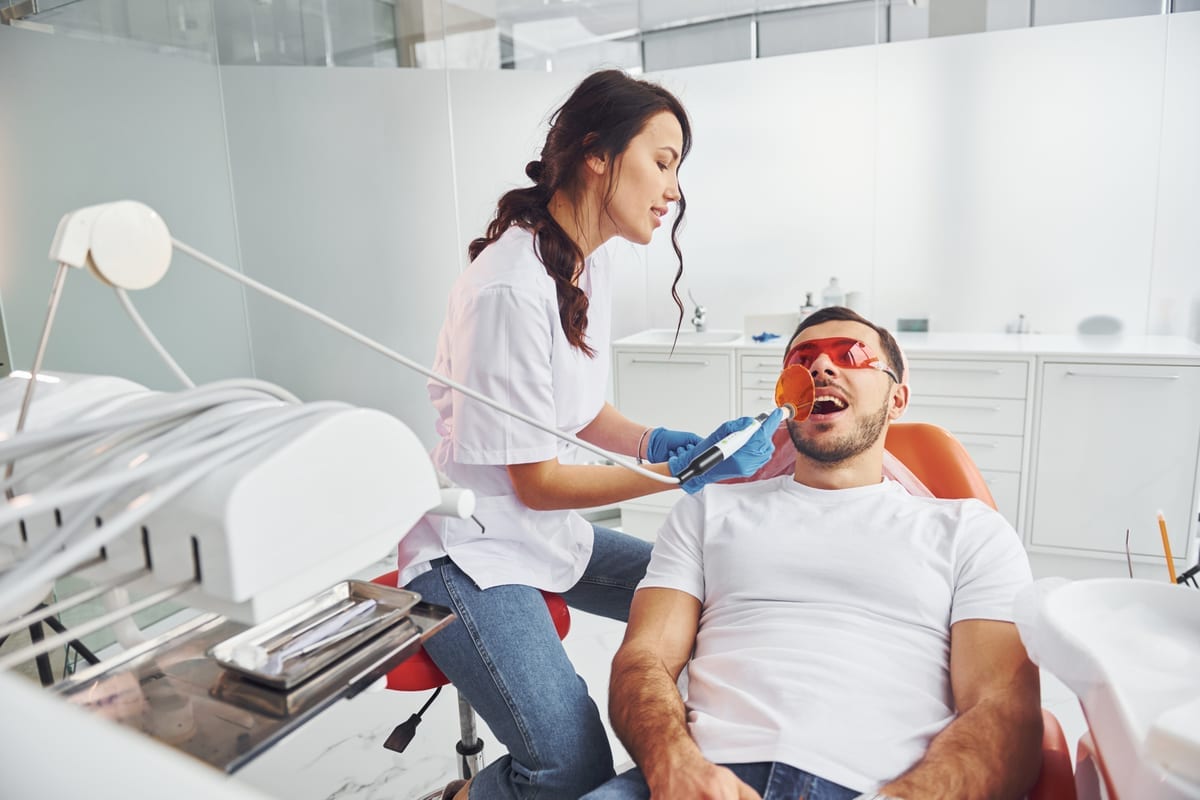
Before recommending any whitening treatment, Dr. Carrell evaluates your full dental picture. He checks for existing restorations, gum health, enamel condition, and stain type. This step is essential. It prevents disappointment and guides you toward the treatment that actually fits your needs.
During your consultation, be ready to share your dental history. Let Dr. Carrell know about any medications you take. Mention past trauma to teeth. Bring up any sensitivity you already experience. This information shapes his recommendation significantly.
Sometimes the best answer is a combination approach. Whitening might be paired with bonding or a crown replacement to create a seamless result. Other patients benefit from a full smile makeover plan that addresses multiple concerns at once. Every case in Dellwood is different, and Dr. Carrell treats it that way.
You don’t need to guess whether whitening will work for you. A professional assessment gives you a clear, honest answer — and a plan you can feel confident about. Book Now to schedule your appointment with our team.
Frequently Asked Questions
Will whitening work on crowns or veneers?
No. Whitening gels only affect natural tooth enamel. Crowns, veneers, and bonding will not change color during whitening treatment. If you have visible restorations on front teeth, talk to Dr. Carrell about matching options before whitening your natural teeth.
How do I know if my stains are extrinsic or intrinsic?
A dentist can determine this during a clinical exam. Extrinsic stains appear on the surface and often have a brown or yellow tint from food or tobacco. Intrinsic stains are embedded in the tooth structure and may appear gray, dark yellow, or banded. Professional evaluation is the most reliable way to know.
Is teeth whitening safe for sensitive teeth?
Many patients with mild sensitivity can still whiten safely. Dr. Carrell may recommend a lower-concentration gel, shorter treatment sessions, or a desensitizing treatment before you begin. Severe sensitivity or exposed roots may require a different approach entirely.
How long do whitening results last?
Results typically last six months to two years depending on your diet and oral habits. Avoiding coffee, tea, red wine, and tobacco helps extend your results. Periodic touch-up treatments can maintain brightness over time.
What if whitening doesn’t work for my stains?
If whitening is not the right fit, you still have excellent options. Veneers, dental bonding, and crowns can all dramatically improve tooth color. Dr. Carrell will walk you through every alternative so you can make an informed decision about your smile. You can also explore options like Implant Supported Dentures if tooth loss is part of your dental concerns. And if you ever face an urgent dental concern, learn more about our Dental Emergency Lp services available to Dellwood patients.