

Teeth Cleaning in Centerville, MN
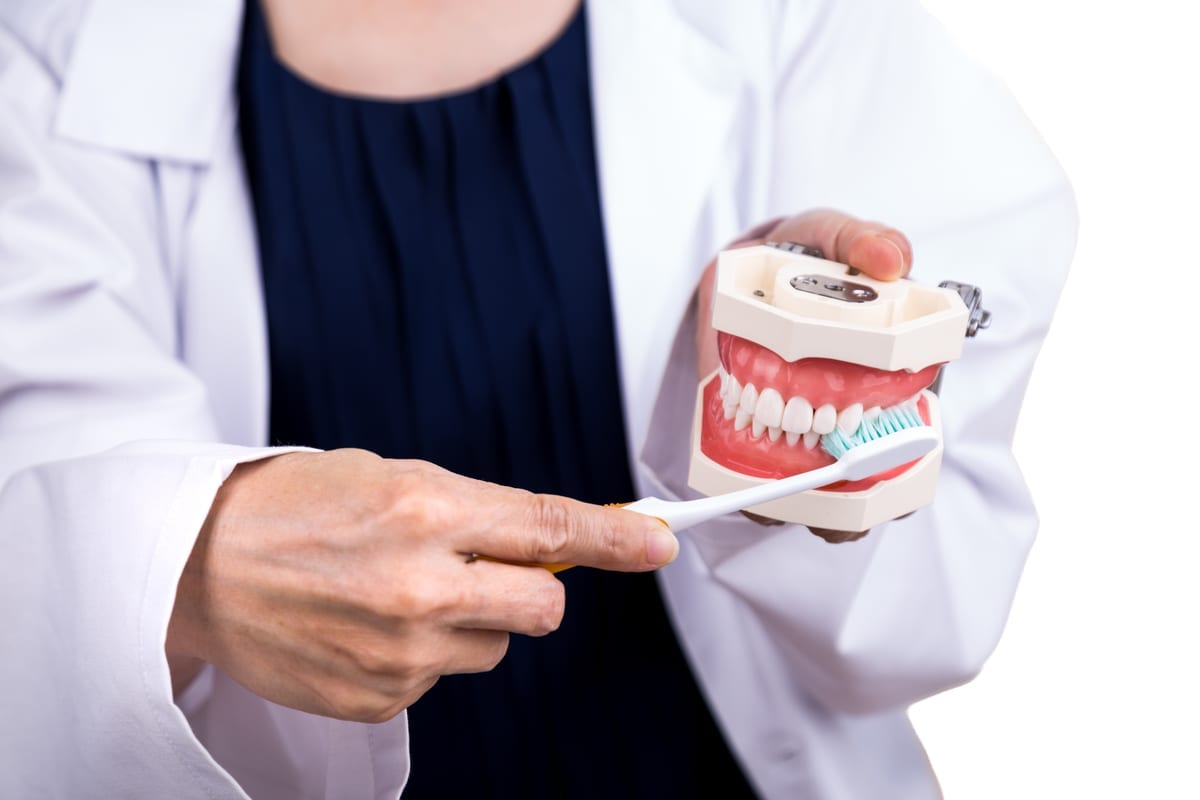
Many Centerville residents brush faithfully every single day. Yet their dentist still finds tartar at every checkup. Understanding why your toothbrush can’t remove tartar once it hardens in Centerville is the first step toward better oral health. Brushing is essential — but it simply cannot do everything.
Tartar is a hardened mineral deposit that forms on your teeth. Once it sets, no amount of brushing will budge it. Only a dental professional with the right tools can safely remove it. This article explains exactly why that is — and what professional cleaning actually does for your mouth.
What Is Tartar and Why Does It Harden?
Tartar starts as plaque — a soft, sticky film of bacteria. Plaque forms on your teeth every single day. When plaque is not removed within 24 to 72 hours, minerals from your saliva begin to bind to it. That process turns soft plaque into hard, calcified tartar.
Once tartar hardens, it bonds firmly to tooth enamel. It also grips the rough surfaces near the gumline especially well. No toothbrush bristle is stiff or sharp enough to break that bond. Even electric toothbrushes with advanced oscillating heads cannot remove hardened tartar.
Tartar also builds in layers over time. Each new layer of plaque that calcifies adds to the existing deposit. This is why skipping cleanings causes tartar to grow significantly thicker. The longer it stays, the harder it becomes to remove safely.
Why Your Toothbrush Can’t Remove Tartar Once It Hardens in Centerville
This is one of the most common misunderstandings in dental care. Patients in Centerville often wonder why brushing more doesn’t solve the problem. The answer is straightforward — brushing targets soft plaque, not hardened calculus. Tartar has a completely different physical structure than plaque.
Tartar is essentially a form of calcified rock attached to your tooth. Its hardness is comparable to limestone or coral. No consumer toothbrush, toothpaste, or mouthwash can dissolve or chip away that material. Abrasive whitening toothpastes come closest — but they still cannot break the bond tartar forms with enamel.
There is also an accessibility issue. Tartar often forms in tight spaces between teeth and below the gumline. Even the most diligent brusher cannot physically reach those areas. That is precisely why professional tools and training are necessary for complete removal.
What a Professional Cleaning Actually Removes
A professional dental cleaning — called a prophylaxis — goes far beyond what home care can achieve. Your hygienist uses specialized instruments called scalers to physically break apart tartar. These tools are designed specifically to remove calcified deposits without harming healthy enamel. They reach areas your toothbrush will never touch.
Here is what a professional cleaning removes that home care cannot:
- Supragingival tartar — buildup visible above the gumline
- Subgingival tartar — deposits hidden below the gumline
- Stain accumulation — surface discoloration embedded in calculus
- Bacterial biofilm — colonies protected inside hardened tartar layers
- Early calcified deposits — tartar that has just begun to harden
After scaling, your hygienist polishes the tooth surfaces. This removes superficial staining and smooths the enamel. Smooth enamel is harder for new plaque to stick to. That polish step alone gives your daily brushing a significant head start.
If tartar has built up significantly below the gumline, a deeper treatment called scaling and root planing may be recommended. This targets bacteria and deposits that contribute to gum disease. Early treatment always produces better outcomes than waiting.
The Health Risks of Letting Tartar Build Up
Tartar is not just a cosmetic issue. It is a bacterial environment living on your teeth. The bacteria inside tartar release toxins that irritate your gum tissue. That irritation leads to inflammation — and eventually to gum disease.
Gum disease progresses in stages. The earliest stage, gingivitis, is fully reversible with professional cleaning. Left untreated, it advances to periodontitis — a condition that damages the bone supporting your teeth. Tooth loss becomes a real risk at that stage. Some patients eventually need Implant Supported Dentures to replace teeth lost to advanced gum disease.
Tartar buildup also increases your risk of cavities. The bacteria living in tartar produce acid constantly. That acid attacks your enamel every hour of every day. Cavities that develop in areas of heavy tartar often go unnoticed until they are quite large.
In some cases, dental pain or swelling from tartar-related infection can become urgent. Patients experiencing sudden dental pain should seek care promptly. You can always reach our team for a Dental Emergency Lp if something feels wrong between your regular visits.
How Often Should Centerville Patients Get a Professional Cleaning?
Most patients benefit from a professional cleaning every six months. This schedule prevents tartar from accumulating to dangerous levels. It also allows your dentist to catch problems early — before they become expensive or painful.
Some patients need more frequent visits. Here are common reasons a dentist may recommend cleanings every three to four months:
- Active or history of gum disease
- Heavy tartar buildup between visits
- Dry mouth conditions that accelerate plaque formation
- Diabetes or other health conditions linked to oral inflammation
- Smoking or tobacco use
Your six-month cleaning also includes a full exam with Dr. Drew Carrell. He checks for cavities, gum health, and early signs of other concerns. That exam is just as important as the cleaning itself. Early detection saves both teeth and money.
What You Can Do Between Visits to Slow Tartar Formation
You cannot remove tartar at home once it forms. But you absolutely can slow its formation. Consistent home care dramatically reduces how much tartar builds between visits. Small daily habits make a meaningful long-term difference.
Here are the most effective steps Centerville patients can take at home:
- Brush twice daily for two full minutes each time
- Use a soft-bristled brush and fluoride toothpaste
- Floss once daily to remove plaque between teeth
- Use an antibacterial mouthwash to reduce bacterial load
- Stay well hydrated to support healthy saliva flow
- Limit sugary and starchy foods that feed plaque bacteria
Tartar-control toothpastes contain pyrophosphates. These compounds slow the mineralization process that turns plaque into tartar. They do not remove existing tartar — but they can slow new deposits from forming. That is a meaningful benefit used consistently over time.
Conclusion
Understanding why your toothbrush can’t remove tartar once it hardens in Centerville helps you make smarter choices for your oral health. Brushing and flossing are critical — but they are only part of the picture. Professional cleanings remove what home care physically cannot. They also protect your gums, your enamel, and your long-term smile. At Lakeview Family Dentistry Hugo, Dr. Drew Carrell and our team are here to help Centerville patients stay ahead of tartar buildup. Book Now to schedule your appointment with our team.
Frequently Asked Questions
Can tartar ever go away on its own without a cleaning?
No. Once plaque has mineralized into tartar, it will not dissolve or fall off on its own. Tartar only hardens further over time. Professional removal with dental instruments is the only safe and effective way to eliminate it.
Does tartar buildup hurt?
Tartar itself is not always painful at first. However, the gum inflammation and infection it causes can become very uncomfortable. Many patients do not notice pain until gum disease has already progressed. Regular cleanings catch problems before pain develops.
How long does it take for plaque to turn into tartar?
Plaque can begin to calcify into tartar in as little as 24 to 72 hours. The speed varies based on your saliva chemistry and diet. This is why daily brushing and flossing is so important — removing plaque before it hardens is always the goal.
Is tartar the same as plaque?
No. Plaque is a soft, sticky bacterial film that forms daily on your teeth. Tartar is what plaque becomes after it absorbs minerals and hardens. Plaque can be removed by brushing and flossing. Tartar cannot — it requires professional dental instruments to remove safely.
What happens if I skip my professional cleaning for a year or more?
Skipping cleanings allows tartar to accumulate in thick layers above and below the gumline. This significantly increases your risk of gum disease, cavities, and tooth loss. Patients who skip multiple cleanings often require more intensive treatment when they do return. Staying on schedule is always the easier path.