
How to Prevent Your Face From Swelling After a Tooth Extraction
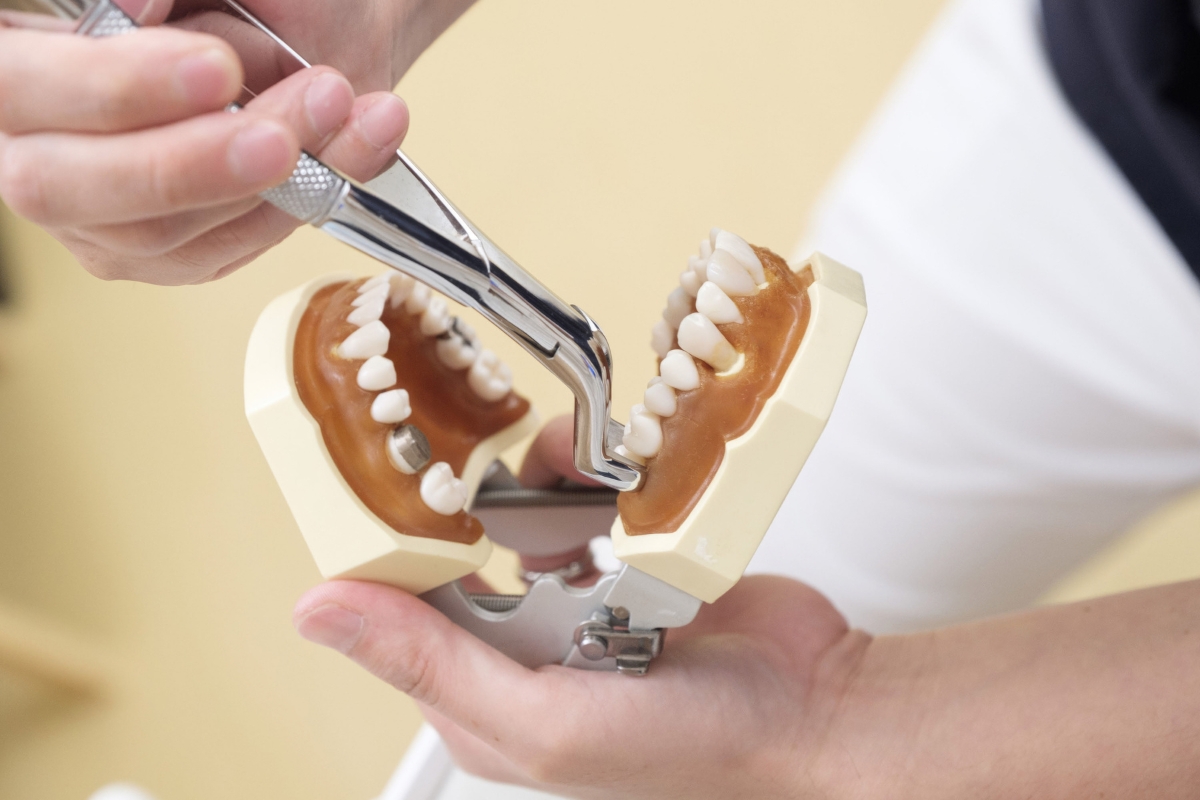
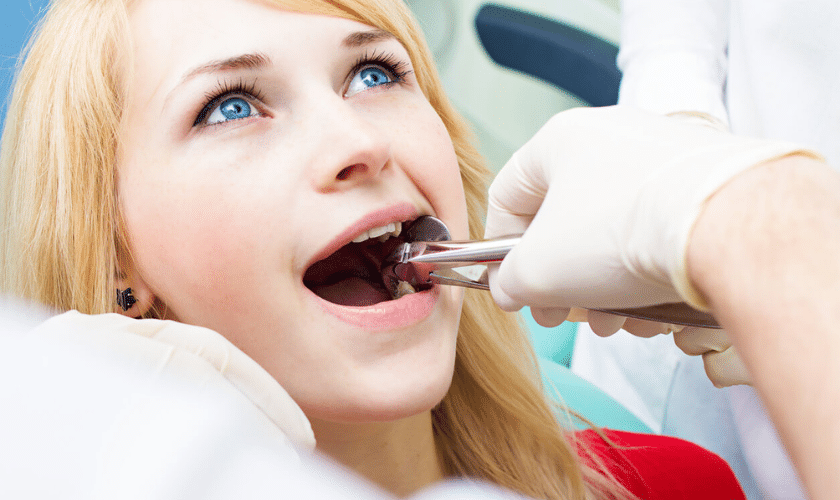
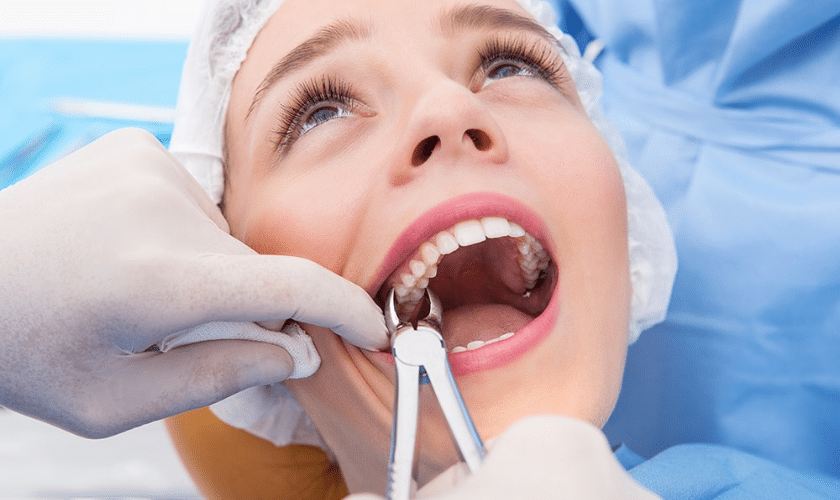
Tooth extraction is a straightforward surgical procedure typically performed by a dentist or oral surgeon. The dentist carefully removes a damaged or infected tooth from its socket, ensuring the surrounding tissue remains as undisturbed as possible. While the procedure itself is routine, it is not uncommon for patients to experience swelling after tooth extraction. If you’ve recently had a tooth extraction, managing swelling can be a significant concern.
In this blog, we’ll guide you through effective steps to minimize swelling and help you recover comfortably.
Why Swelling Occurs After a Tooth is Removed
After your tooth is removed, your body will begin to heal naturally. Swelling is one way your body responds to an injury and is an essential part of the healing process. The area surrounding the extraction site will usually become swollen. However, there are ways to minimize swelling and the discomfort it causes.
Having a tooth extraction in Hugo, Minnesota, is part of the normal healing process, but you can take steps to maximize comfort and minimize swelling during recovery. The first few hours following an extraction are critical in reducing inflammation; therefore, proper post-operative care must be observed to promote a more rapid recovery.
Effective Tips to Minimize Swelling
If you would like to minimize the swelling around your tooth extraction site, here are a few suggestions:
- Cold Compresses: Immediately after the procedure, apply a cold compress to your cheek to reduce swelling. Wrap some ice in a towel and place it against your cheek for 15-20 minutes at a time for the first 24 hours after the procedure.
- Elevating Your Head: Keeping your head elevated (even while you sleep) will reduce pooling of blood around the surgical site. This will prevent excessive swelling. Using pillows to prop up your head and sleeping in a recliner for the first few nights after your extraction may help.
- Avoid Touching the Area: Resist the urge to touch the extraction site with your hands or tongue. This can irritate the area, increase swelling, or even lead to gum disease.
What to Expect and When to Seek Help
Reduction in swelling should occur after 2 days. If you feel extremely uncomfortable or the swelling intensifies, you should see your dentist. Persistent or worsening inflammation may be due to an infection or another condition that requires a medical professional’s examination.
Wrap Up: Get Back to Your Normal Comfort Level
It doesn’t have to be a difficult task to figure out how to manage swelling after a tooth extraction in Hugo, Minnesota. By following the simple instructions above, you can reduce your pain and help your body recover. If you have any questions or concerns about your recovery, please contact us at Lakeview Family Dentistry. We want to make your healing time as easy and comfortable as possible.
Let Lakeview Family Dentistry Help You Heal Comfortably
If you had a tooth extraction in Hugo, Minnesota, and are now on the road to recovery but still need advice on managing the swelling that followed, please get in touch with Lakeview Family Dentistry for proper guidance for a quick healing and a beautiful smile.
FAQs
How long does swelling last after a tooth extraction?
The swelling usually peaks in the first 48 hours and resolves after about a week.
What should I avoid eating after a tooth extraction?
You should only eat soft food such as yogurt, mashed potatoes, or soup. Don’t eat hot or crunchy foods, as they may irritate the extraction site.
Can I smoke after a tooth extraction?
Smoking can delay the healing process and may cause complications; hence, it is wise not to smoke for at least 48 hours.
What is the best way to reduce swelling?
It is helpful to place an ice pack on the swollen area during the first 24 hours, and keeping your head raised will also help reduce swelling.
Is it normal for my gums to feel tight after a tooth extraction?
Yes, tightness and discomfort are part of the healing process of the gums. Nevertheless, if you experience severe pain, you should see a dentist.
Can I exercise after a tooth extraction?
You should not engage in any strenuous physical activities for at least 48 hours after the tooth extraction to avoid any complications.
When should I call my dentist?
If, after the first 48 hours, the swelling is not decreasing or is accompanied by severe pain and fever, then calling your dentist for a check-up is the best option.