
How to Stop Severe Dental Pain Before Your Appointment?

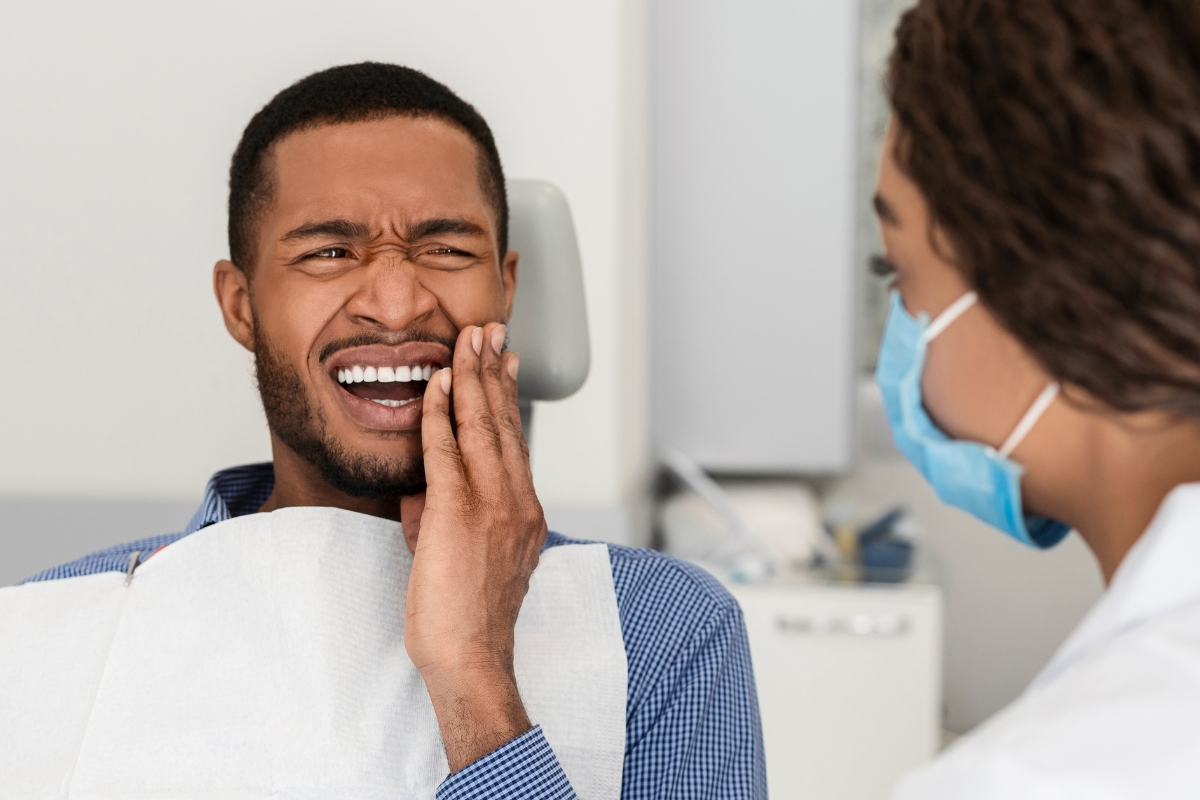
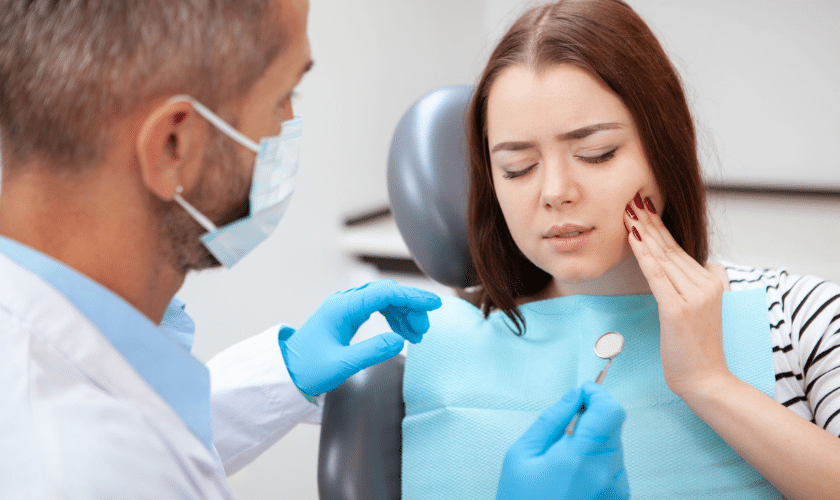
Dental pain comes on suddenly, leaving you feeling helpless until you can see your dentist. If you are in severe discomfort, it’s essential to manage the pain effectively while awaiting your emergency dental care appointment. This blog will walk you through practical solutions to alleviate severe dental pain, helping you feel better before your professional dental care treatment.
Understanding Severe Dental Pain
Several issues, such as cavities, infections, and gum disease, can cause toothaches and dental pain. The pain can range from a dull ache to a very acute pain, but in any case, it is best to attend to it as soon as you can to avoid it getting worse. Also, you may have to wait a few hours or a full day for your dental appointment.
If you have intense, throbbing, or sharp pain, it may be a sign of an infection or a very deep cavity. In these situations, it is essential to do what you can to handle the pain until you go in for your emergency dental care in Hugo, Minnesota. Here are a few things that may help you get some relief:
How to Handle Severe Dental Pain
- Cold Compress: Try applying a cold compress to the area of your cheek near the pain for 15 to 20 minutes to help numb the pain and reduce swelling.
- Over-the-Counter Pain Relievers: Use ibuprofen or acetaminophen to help ease pain. Be sure to follow the package instructions and don’t go over the recommended dose.
- Salt water Rinse: Just a quick rinse in salt water can help trim down swelling and wash out the spot. Mix about a half-teaspoon of salt into warm water, then swish it around in your mouth for 30 seconds.
- Clove Oil: Clove oil contains eugenol, which helps naturally numb your pain. Dip a cotton ball in clove oil and gently press it on the sore tooth or gum.
- Raise Your Head: Keep your head up, especially when resting or sleeping. This helps reduce pressure on your sore tooth or gum, easing some of your pain.
If you still hurt after following these steps, or if your face swells or you get a fever, it’s best to seek emergency dental care in Hugo, Minnesota, now for additional help.
When to Seek Immediate Care
While these home remedies can help, they are only temporary solutions. Make sure you see a dentist soon, especially if you have an infection or a broken tooth. Delaying treatment can make things worse and could spread the disease to other parts of your mouth.
Need To Fix Emergency Dental Pain?
If you’ve got a tooth that is killing you, don’t wait for the pain to get worse. Book a visit with a trusted dental care provider today and get some relief. Here at Lakeview Family Dentistry, we provide fast, high-quality emergency dental care in Hugo, Minnesota. Our team cares and wants to help you feel like yourself again and get the dental care you should get.
FAQs
1. How can I tell if my dental pain requires emergency care?
If you experience severe, throbbing pain, swelling, or bleeding, it is likely a serious dental issue that needs prompt attention. So, get in touch with your dentist as soon as possible.
2. Can I take pain medication while waiting for my dental appointment?
Yes, you can take over-the-counter pain relievers such as ibuprofen or acetaminophen to ease the pain temporarily. However, you should always follow the dosing instructions and not exceed the recommended amount.
3. What should I do if I have a broken tooth?
If a tooth is broken, rinse your mouth with warm water and apply a cold compress to the area to relieve swelling. Then, contact your dentist to schedule an emergency appointment.
4. Can I eat with a severe toothache?
Please don’t chew on the side of the tooth that hurts. Soft foods that don’t require much chewing will be perfect while you wait for your turn to see the dentist.
5. What are some long-term solutions for preventing dental pain?
Regular dental visits, good oral hygiene, and avoiding hard or sticky foods will go a long way toward preventing dental pain. Also, get in touch with your dentist for personalized tips to help prevent future issues.
6. Can dental pain go away on its own?
If the pain is minor, it may resolve on its own. However, persistent or severe dental pain is usually an indication of a more serious problem, and thus, professional dental care is required.