
Teeth Whitening Myths Busted: What You Should Know Before Getting Your Smile Brightened?
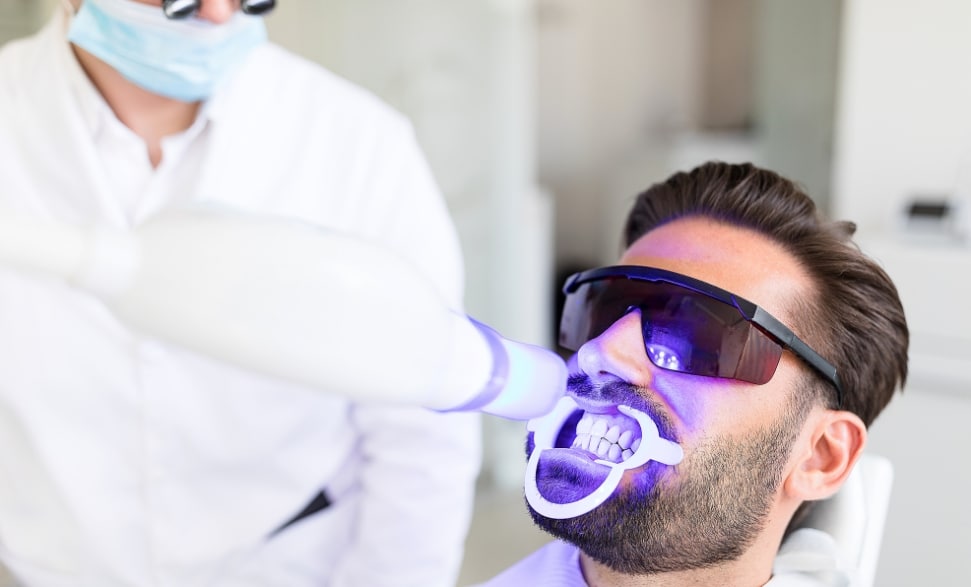
A bright, white smile is something many of us desire, but there’s a lot of confusion around teeth whitening. With so many options and claims, it’s easy to get lost in the myths.
Do you believe whitening damages enamel or that it works for everyone?
These misconceptions can hold you back from achieving the smile you deserve.
In this blog, we’ll bust some of the most common teeth-whitening myths and give you the facts you need to make an informed decision.
Whether you’re considering professional treatment or at-home options, you’ll learn what really works and how to keep your smile shining bright for the long term. Let’s set the record straight!
Myth #1: Teeth Whitening is Harmful to Your Enamel
A common misconception is that teeth whitening can damage your enamel. This simply isn’t true when done correctly. Professional treatments use safe, controlled methods that protect your enamel while brightening your teeth.
- Dental professionals use safe whitening agents and proper techniques to minimize risks.
- Over-the-counter products may sometimes cause harm if used improperly or too frequently.
- In-office treatments are customized to suit your needs and minimize any potential damage.
- Teeth whitening in Hugo offers advanced techniques that preserve enamel and give you the best results.
When done under professional supervision, teeth whitening is not only safe, but it can also improve the appearance of your smile without damaging your enamel.
Myth #2: Teeth Whitening Works for Everyone
While teeth whitening can work wonders for many people, it’s not a one-size-fits-all solution. Some conditions may limit the effectiveness of these treatments.
- Whitening treatments don’t work on dental work like crowns, fillings, or veneers.
- Intrinsic stains (deep-set stains) might not respond to surface-level whitening.
- A consultation with your dentist is essential to understand if whitening is right for you.
- Certain oral health conditions may require adjustments to your whitening plan.
Before you decide to go ahead with teeth whitening, it’s always best to have a professional assess your oral health to ensure the best outcome.
Myth #3: Over-the-Counter Whitening Products Are Just as Effective as Professional Treatments
Many believe that over-the-counter whitening products are just as effective as what a dentist offers. However, there are significant differences in terms of safety and effectiveness.
- Over-the-counter products usually contain lower concentrations of whitening agents and may take longer to show results.
- Dental professionals tailor whitening treatments to meet your specific needs and provide faster, more noticeable results.
- At-home products may cause uneven results or harm if not used properly.
- Professional treatments ensure your whitening process is safe, controlled, and effective.
Choosing professional whitening treatments ensures better results and minimizes risks compared to store-bought options.
Myth #4: Teeth Whitening Results Last Forever
It’s tempting to think that teeth whitening will keep your smile dazzling forever, but unfortunately, that’s not the case. Your lifestyle plays a significant role in how long the effects last.
- Foods and drinks like coffee, red wine, and berries can stain teeth over time.
- Smoking can also contribute to staining and shorten the lifespan of whitening results.
- Touch-up treatments may be needed to maintain the brightness of your smile.
- Regular dental cleanings help extend the results of whitening.
By practicing good oral hygiene and lifestyle habits, you can maintain your whiter smile longer, but touch-ups will be necessary to keep your teeth looking their best.
Myth #5: Whitening Makes Teeth Sensitive Permanently
Many people avoid whitening because they fear it will leave them with permanent tooth sensitivity. Fortunately, that’s a myth!
- Sensitivity can occur temporarily, but it usually fades within a few hours or days.
- Professional whitening treatments often include formulas designed for sensitive teeth, reducing discomfort.
- Over-the-counter whitening products can cause more sensitivity, especially when overused.
- Your dentist can offer solutions to minimize or eliminate sensitivity during treatments.
If sensitivity does occur, professional whitening will ensure that it’s temporary and manageable, giving you a brighter smile without lasting discomfort.
The Right Candidate for Teeth Whitening
Not everyone is an ideal candidate for teeth whitening, but many people can enjoy brighter smiles with the right conditions.
- Healthy teeth and gums are essential for a successful whitening treatment. You must maintain proper oral health for that.
- People with extrinsic stains (surface-level stains) tend to see the best results.
- Those with fillings, crowns, or severe intrinsic stains might need alternative treatments.
- Lifestyle factors such as smoking or heavy coffee drinking may affect whitening outcomes.
Don’t let myths hold you back from achieving a brighter smile. Teeth whitening is safe, effective, and can give you the confidence you deserve, when done the right way. Always consult with a professional to ensure you’re making the best choice for your smile. Get ready to smile brighter and more confidently, knowing the truth behind the treatment.