
Dental Cleanings: Achieving Fresh Breath and Optimal Health
Regular dental cleanings play a crucial role in achieving fresh breath and optimal health. These professional cleanings are essential for preventing oral diseases and ensuring your overall well-being. This comprehensive guide explores the many benefits of dental cleanings, offering tips for maintaining your oral hygiene between appointments and highlighting the importance of regular visits to your dentist.
The Importance of Professional Dental Cleanings
Regular dental cleanings are fundamental for maintaining oral health. They go beyond the capabilities of daily brushing and flossing, removing plaque and tartar that can accumulate in hard-to-reach areas. Plaque is a sticky film of bacteria that forms on your teeth, and if not removed, it can harden into tartar, leading to gum disease and tooth decay.
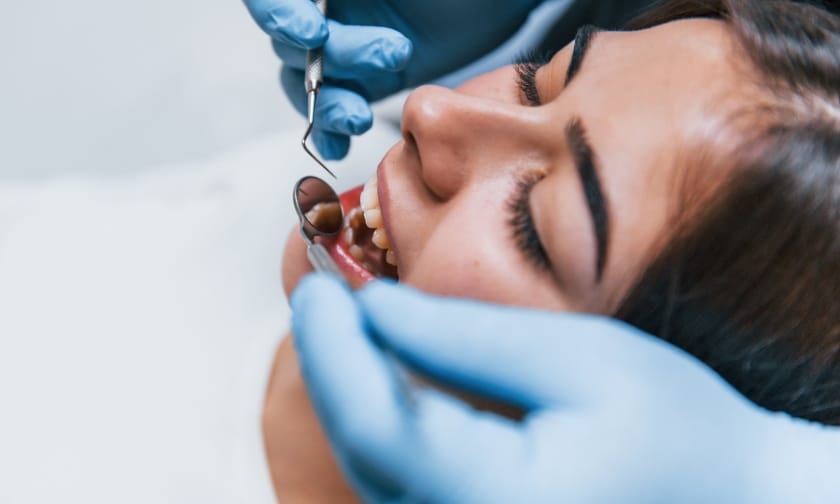
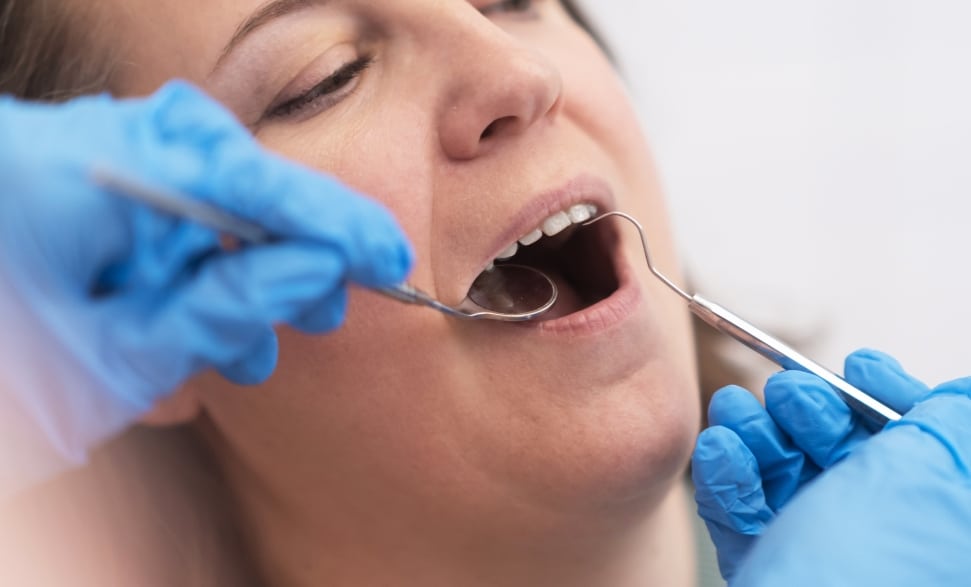
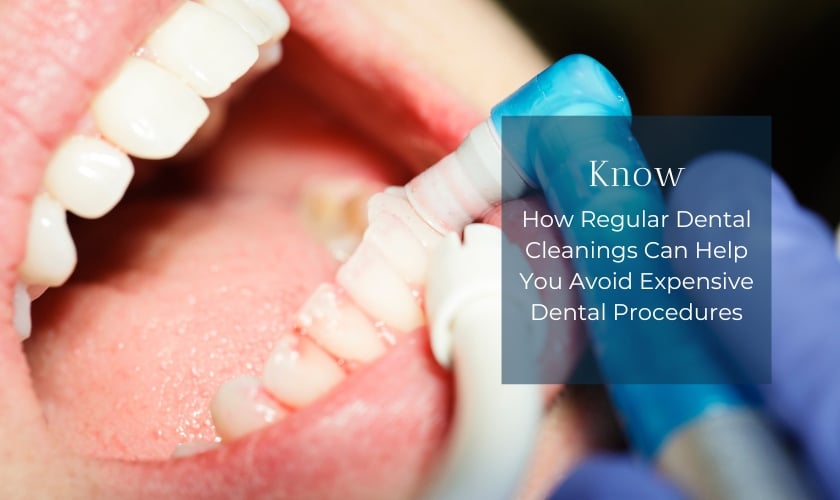
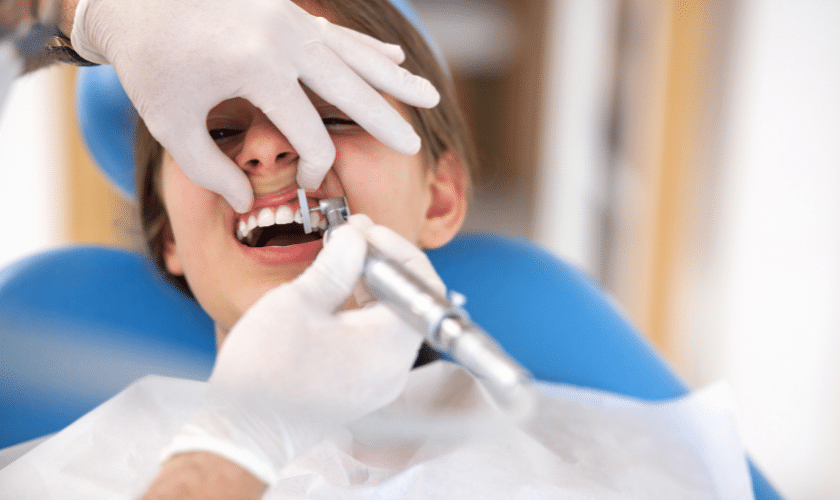
Professional cleanings help prevent these issues by thoroughly cleaning your teeth and gums. During a cleaning, your dental hygienist uses special tools to remove plaque and tartar, polish your teeth, and sometimes apply fluoride to strengthen your enamel. This process not only leaves your mouth feeling fresh but also significantly reduces your risk of developing serious dental problems.
How Dental Cleanings Improve Breath
One of the most immediate benefits of dental cleanings is fresher breath. When food particles are not adequately removed, they break down and produce sulfur compounds, leading to unpleasant odors. Dental cleanings help eliminate these bacteria and food particles, providing you with a clean slate for maintaining fresh breath.
Regular cleanings also target areas that are prone to harboring bacteria, such as the back of the tongue and the spaces between teeth. By addressing these problem areas, your dental hygienist helps reduce the sources of bad breath, leaving you with a fresher mouth.
Preventing Gum Disease and Tooth Decay
Gum disease, or periodontal disease, is a severe condition that can lead to tooth loss if left untreated. Without regular cleanings, plaque can advance below the gumline, causing the gums to pull away from the teeth and form pockets that become infected.
Dental cleanings are vital in preventing and managing gum disease. Your dental hygienist can identify early signs of gingivitis and provide treatment to prevent progression. Regular cleanings help maintain the health of your gums and prevent the more severe stages of periodontal disease.
Tooth decay is another common issue that dental cleanings help prevent. Cavities form when plaque acids erode the enamel of your teeth. By removing plaque and tartar, dental cleanings reduce the risk of cavities, ensuring your teeth remain strong and healthy.
Enhancing Overall Health
Oral health is closely linked to overall health. Research has shown that poor oral hygiene can contribute to various systemic conditions, including heart disease, diabetes, and respiratory infections. By maintaining regular dental cleanings, you are not only taking care of your mouth but also supporting your general health.
For example, bacteria from gum disease can enter the bloodstream and contribute to the development of heart disease. Regular cleanings help keep your gums healthy, reducing this risk. Additionally, managing oral bacteria through cleanings can help improve blood sugar control in diabetic patients.
Tips for Maintaining Oral Hygiene Between Cleanings
While dental cleanings are essential, maintaining good oral hygiene between visits is equally important.
Floss Daily
Flossing removes food particles and plaque from between your teeth and under the gumline, areas that your toothbrush cannot reach.
Use Mouthwash
An antimicrobial mouthwash can help reduce plaque and bacteria in your mouth. Rinse with mouthwash after brushing and flossing for extra protection against oral diseases.
Eat a Healthy Diet
A balanced diet rich in fruits, vegetables, and whole grains supports your oral health. Limit sugary and acidic foods, which can contribute to tooth decay and erosion.
Stay Hydrated
Drinking plenty of water helps wash away food particles and bacteria, keeping your mouth clean and fresh. Water also helps stimulate saliva production, which is essential for neutralizing acids and protecting your teeth.
Why Regular Dental Visits are Crucial
Regular visits to your dentist for cleanings and check-ups are crucial for maintaining oral health. These appointments allow your dentist to monitor your oral condition and catch any issues early. Early detection and treatment of dental problems can prevent more severe conditions and reduce the need for extensive and costly procedures.
During your dental visit, your dentist will also perform a thorough examination of your mouth, checking for signs of oral cancer, gum disease, and other health issues. This comprehensive approach ensures that you receive the best care for your oral and overall health.
Addressing Common Concerns About Dental Cleanings
Some people may feel anxious about dental cleanings, but understanding the process can help alleviate these concerns. Here are some common questions and answers about dental cleanings:
Is a Dental Cleaning Painful?
Most dental cleanings are painless. You might experience slight discomfort during the cleaning process, especially if you have sensitive teeth or gums.
How Long Does a Dental Cleaning Take?
A typical dental cleaning takes about 30 minutes to an hour. The duration depends on the condition of your teeth and gums and the type of cleaning required.
How Often Should I Get a Dental Cleaning?
It’s advised to schedule a dental cleaning every six months. However, your dentist in Hugo might suggest more frequent cleanings if you have specific oral health concerns.
The Role of Dental Cleanings in Aesthetic Dentistry
In addition to improving oral health, dental cleanings play a significant role in aesthetic dentistry. Clean, plaque-free teeth look better and can make your smile more attractive. Regular cleanings help maintain the whiteness and brightness of your teeth, enhancing your overall appearance.
Polishing during a dental cleaning removes surface stains caused by foods, beverages, and smoking. This polishing not only leaves your teeth looking better but also helps protect the enamel from future staining.
Encouraging Good Oral Habits in Children
Regular dental cleanings for kids help prevent cavities and gum disease, ensuring they develop healthy oral practices early on. Children should start visiting the dentist for cleanings as soon as their first tooth appears.
Teaching children to brush and floss properly, along with regular dental visits, sets the foundation for a lifetime of healthy smiles. Dental cleanings in Hugo provide an opportunity for your dentist to educate children on the importance of oral hygiene and demonstrate proper techniques.
Choosing the Right Practice for Dental Cleanings
Selecting a dental practice that meets your needs is essential for maintaining your oral health. Consider the following factors when choosing a dentist for your cleanings:
Location and Convenience
Choose a dental practice that is conveniently located and offers flexible scheduling to accommodate your needs.
Qualifications and Reputation
Look for a dentist with excellent qualifications and a positive reputation. Reading reviews and asking for recommendations can help you find a reliable dental professional.
Comfort and Communication
Your comfort is important, so choose a dental practice where you feel at ease. Good communication with your dentist and hygienist ensures that your concerns are addressed, and you receive the best care.
Final Thoughts
Regular dental cleanings are vital for achieving fresh breath and optimal health. By removing plaque and tartar, preventing gum disease and tooth decay, and enhancing overall health, dental cleanings contribute significantly to your well-being. Maintaining good oral hygiene between visits and ensuring regular dental check-ups are key to preserving your smile.