
Which Dental Implant Option Is Right for You?
Dental implants are revolutionary solutions for restoring missing teeth. They offer a natural-looking and long-lasting alternative to traditional dentures or bridges. Choosing the right dental implant option is crucial for achieving optimal oral health and a confident smile.
In this blog, we’ll delve into the world of dental implants to provide you with essential information to make an informed decision. From understanding the basics of dental implants to exploring the different options available, we’ll equip you with the knowledge needed to navigate this important dental procedure.
Whether you’re considering implants for the first time or exploring options for replacement teeth, this guide will simplify the process. Read on to find out all you need to know about dental implants and take the next step towards a brighter smile.
Understanding Dental Implants
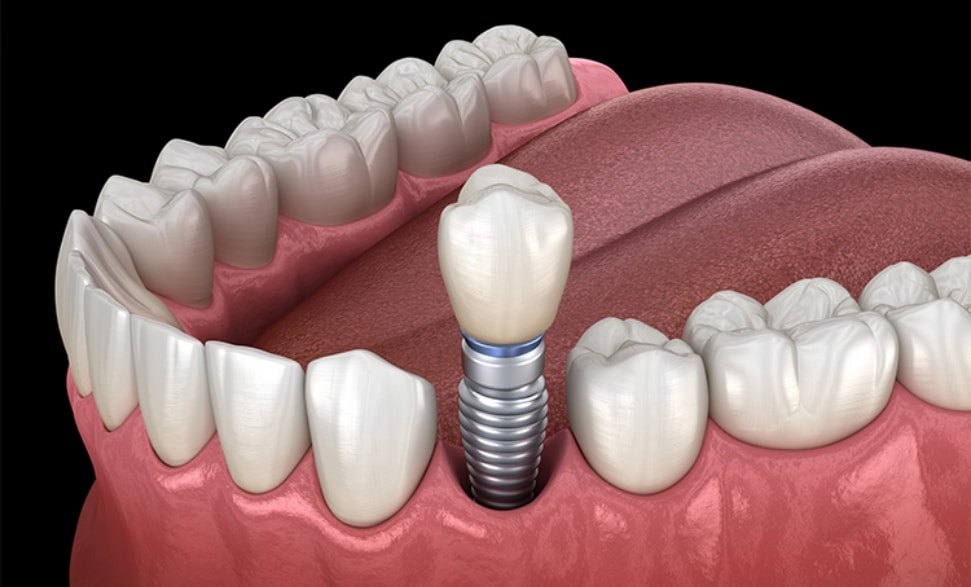
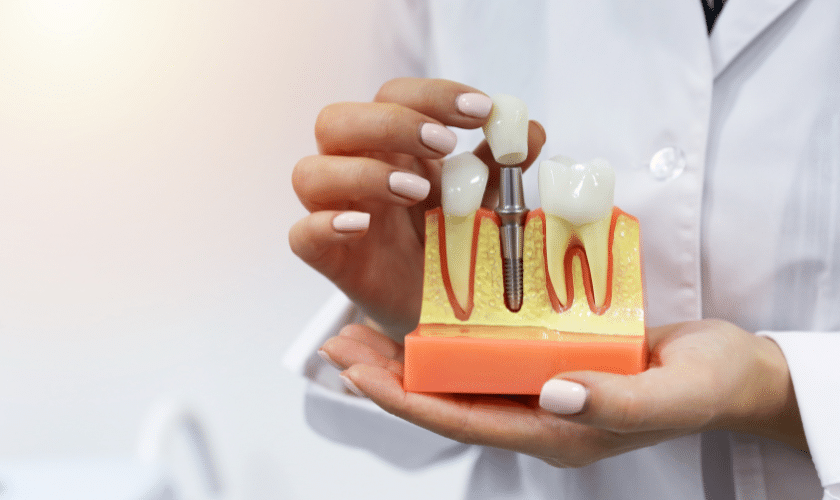
Dental implants serve as artificial tooth roots, providing a sturdy foundation for replacement teeth that look, feel, and function like natural teeth. Unlike dentures or bridges, which rest on the gums or adjacent teeth, implants are surgically placed into the jawbone, where they fuse with the bone over time through a process called osseointegration.

This integration ensures stability and durability, allowing implants to withstand biting and chewing forces just like natural teeth.
Advantages of Dental Implants Over Other Options
One key advantage of dental implants is their ability to prevent bone loss in the jaw, which commonly occurs when teeth are missing. By stimulating the surrounding bone tissue, implants help preserve jawbone density and maintain facial structure, promoting long-term oral health.
Additionally, dental implants offer improved comfort and convenience compared to traditional tooth replacement options, as they do not require adhesives or special cleaning procedures.
Dental Implant Procedure: What Are The Basics?
The dental implant procedure typically involves multiple stages, including:
- Initial consultation
- Implant placement surgery
- Osseointegration period
- Attachment of the prosthetic tooth or teeth.
While the process may take several months to complete, the result is a permanent and natural-looking solution for missing teeth that can enhance both oral function and aesthetics.
Exploring Different Types of Dental Implants
When it comes to dental implants, various options cater to different needs and preferences, providing tailored solutions for individuals seeking to restore their smiles. Let’s delve into the different types of dental implants available:
Single-Tooth Implant: Traditionally, a fixed bridge requires preparation and crowning of adjacent teeth to support the artificial tooth, known as a pontic, filling the gap. Conversely, a cantilever fixed bridge attaches the pontic to only one crown for support, preserving the integrity of neighboring teeth.
Implant-Supported Fixed Bridges: Unlike traditional bridges, implant-supported bridges rely on strategically placed dental implants to support all necessary crowns and replacement teeth. This innovative approach not only preserves natural teeth but also helps maintain facial contours and prevents bone shrinkage through essential bone stimulation.
Full Arch Replacement with Four or Six Implants: Ideal for individuals seeking an alternative to full dentures, this solution offers a complete set of replacement teeth supported by implants. These fixed replacement teeth provide the same functionality and sensation as natural teeth, promoting confidence in speech, smile, and chewing ability. Additionally, temporary teeth can be immediately placed, with a permanent set following once the implants have fully integrated with the surrounding bone.
Implant-Retained Denture: Also known as an implant-supported denture, this type of denture is anchored to a few carefully positioned implants in the jaw. These implants serve as secure anchors, offering stability and retention for the denture. With enhanced support, individuals can enjoy improved comfort and confidence in daily activities.
Additional Considerations
Bone Quality and Quantity: The success of dental implant procedures may depend on the quality and quantity of bone available in the jaw. In cases of inadequate bone, bone grafting procedures may be recommended to ensure sufficient support for the implants.
Preparation and Recovery: Each type of dental implant procedure involves specific preparation and recovery processes. Patients should be informed about what to expect before, during, and after the surgery to ensure a smooth and successful outcome.
Factors to Consider When Choosing an Implant Option
When determining the most suitable dental implant option, several factors should be taken into account to ensure optimal outcomes:
Oral Health Condition: The overall health of your gums and remaining teeth plays a crucial role in the success of dental implant surgery. Any existing dental issues, such as gum disease or decay, may need to be addressed before proceeding with implant placement.
Bone Density and Volume: Sufficient bone density and volume are essential for the stability and longevity of dental implants. Your dentist will evaluate the quality and quantity of bone in your jaw through imaging tests to determine if additional bone grafting procedures are necessary.
Budget Considerations: Dental implant costs can vary based on factors such as the number of implants needed, the type of restoration, and any additional treatments required. It’s essential to discuss the financial aspects with your dentist and explore payment options or insurance coverage.
Personal Preferences and Lifestyle: Consider your lifestyle preferences and habits when choosing a dental implant option. Factors such as dietary restrictions, oral hygiene routines, and aesthetic preferences may influence your decision. Additionally, discuss any concerns or expectations with your dentist to ensure the chosen implant option aligns with your goals.
Expert Insights and Recommendations
When considering dental implant options, it’s essential to seek guidance from experienced dental professionals. Here are some expert insights and recommendations to help you navigate the decision-making process:
Consultation with a Dental Specialist: Schedule a consultation with Dr. Drew Carrell to assess your oral health status and discuss treatment options. These specialists can provide personalized recommendations based on your unique needs and preferences.
Consideration of Long-Term Benefits: While dental implants may require a higher initial investment compared to other tooth replacement options, they offer long-term benefits in terms of durability, aesthetics, and oral health preservation. Factor in the long-term advantages when weighing your treatment options.
Review of Success Rates and Patient Satisfaction: Research the success rates and patient satisfaction levels associated with different types of dental implants. Understanding the outcomes experienced by other patients can help you feel more confident in your decision.
Follow-Up Care and Maintenance: Be prepared to commit to proper follow-up care and maintenance protocols recommended by your dental provider. Regular dental check-ups, professional cleanings, and diligent oral hygiene practices are essential for ensuring the longevity of your dental implants.
Choosing the right dental implant option is a significant decision that can positively impact your oral health and overall well-being. By understanding the different types of dental implants, considering essential factors such as oral health conditions and lifestyle preferences, and seeking guidance from experienced dental professionals, you can make an informed choice.
Remember, achieving a confident smile with dental implants is within reach, and the journey starts with taking the first step toward comprehensive dental care.