Dental Implants and Age: Are They Right for Seniors?
As we age, our bodies undergo various changes, including those in our oral health. Dental issues have become increasingly common, leading many seniors to consider options like dental implants to restore their smiles and oral function. This blog will delve into dental implants and their suitability for seniors. We’ll address common concerns, provide expert insights, and offer practical tips for individuals exploring this dental solution. Whether you’re a senior or seeking information for a loved one, this article aims to be your go-to resource.
Understanding Dental Implants
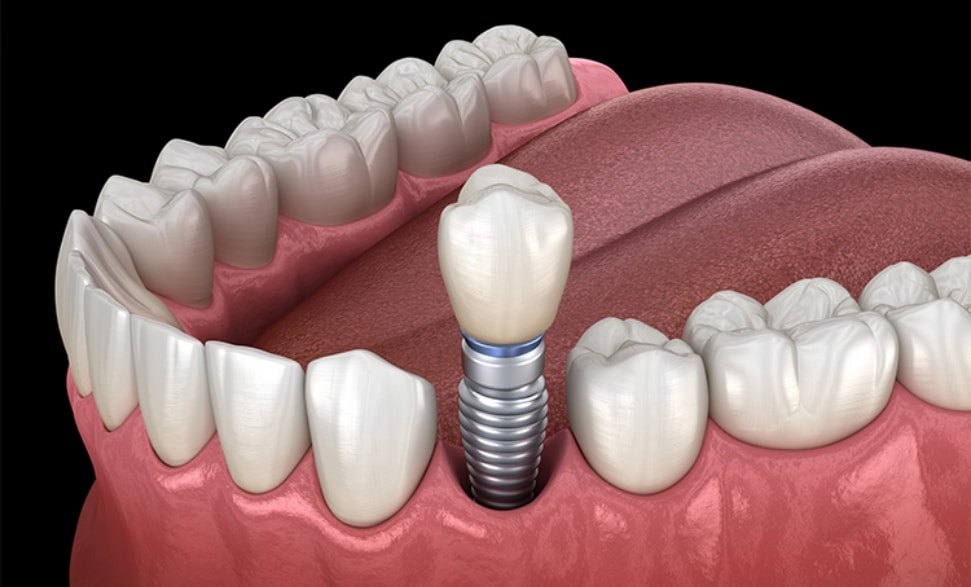
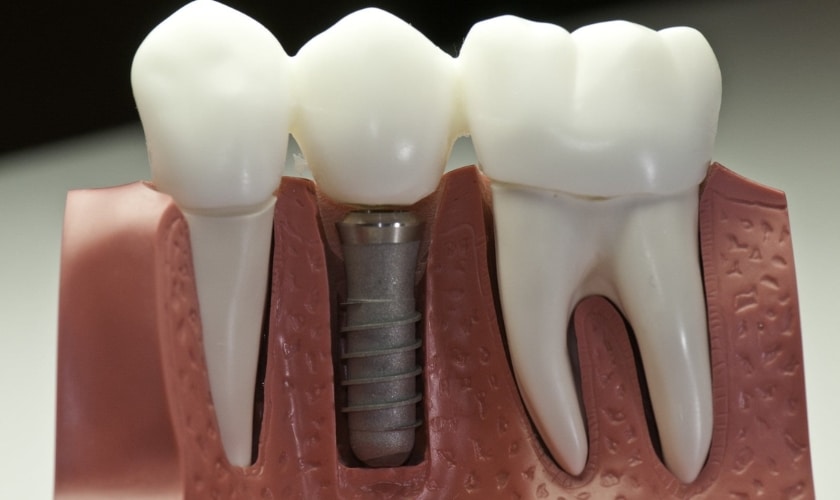
Before we delve into the age factor, it’s essential to understand what dental implants are and how they work. Dental implants are artificial tooth roots made of biocompatible materials like titanium. They are surgically inserted into the jawbone, providing a stable foundation for replacement teeth. These replacement teeth can be individual crowns, bridges, or even full dentures.
The Age Factor
One common question seniors have is whether age is a limiting factor for dental implants. The good news is that age is not a strict barrier to getting dental implants. While it’s true that bone density tends to decrease with age, advances in dental implant technology and techniques have made implants a viable option for many seniors.
However, there are certain considerations:
Bone Health
Seniors should thoroughly assess their bone health before getting dental implants. A dentist will evaluate the density and quality of the jawbone. In cases of reduced bone density, bone grafting procedures may be necessary to ensure the implant’s stability. Additionally, maintaining good bone health through a balanced diet rich in calcium and vitamin D can support the success of dental implant surgery.
Overall Health
General health is a crucial factor. Seniors with chronic health conditions like diabetes or heart disease should consult their physicians and dentists to assess their suitability for dental implant surgery. It’s important to have a comprehensive understanding of how your overall health may impact dental implants’ healing process and long-term success.
Medications
Some medications may interfere with the healing process after implant surgery. It’s essential to provide your dentist with a complete list of medications to ensure a safe and successful procedure. Your dentist can work with your healthcare providers to adjust medications if necessary and plan the surgery at the most opportune time, minimizing potential complications.
Source: ebrüder Betz Medical Animation
Benefits of Dental Implants for Seniors
Now that we’ve addressed the age-related concerns let’s explore the benefits of dental implants for seniors:
Improved Oral Function
Dental implants restore chewing efficiency and speech clarity, making it easier to enjoy a varied diet and communicate effectively. Seniors who choose dental implants often experience a significant improvement in their ability to enjoy a diverse range of foods and engage in social interactions without concerns about slipping dentures or missing teeth.
Enhanced Confidence
A complete, natural-looking smile can significantly boost a senior’s self-esteem and overall well-being. Dental implants provide a stable and aesthetically pleasing solution, allowing seniors to showcase their smiles in various social and professional settings confidently.
Longevity
Dental implants can last a lifetime with proper care, making them a durable and cost-effective solution. Seniors can enjoy the peace of mind that comes with knowing their dental investment is designed to withstand the test of time. Regular dental check-ups and good oral hygiene practices can help ensure the longevity of dental implants.
Dental Implant Procedure
Understanding the implant process can alleviate some of the apprehensions seniors may have:
Consultation and Planning
Your journey begins with a thorough consultation where your dentist assesses your oral health and discusses treatment options. During this stage, seniors can ask questions and actively participate in creating a personalized treatment plan tailored to their specific needs and preferences.
Implant Placement
During surgery, the dental implant is placed into the jawbone. It may take a few months for the implant to fuse with the bone—a process called osseointegration. Seniors can expect some post-operative discomfort and swelling, which can be managed with pain medications and proper aftercare instructions provided by the dental team.
Crown Placement
Once the implant is secure, a custom-made crown or restoration is attached to complete your new tooth. Seniors can choose from various options to achieve the desired look and functionality, ensuring the replacement tooth integrates with their natural smile.
Aftercare and Maintenance
Oral Hygiene
Seniors must maintain excellent oral hygiene to ensure the longevity of their dental implants. Regular brushing, flossing, and dental check-ups are crucial. Dentists often recommend specialized brushes and flossing tools to assist seniors in cleaning around the implant areas effectively.
Dietary Considerations
While dental implants can handle most foods, seniors should be cautious with extremely hard or sticky items that could damage the restoration. A balanced diet that supports overall health benefits seniors and can contribute to the success of dental implants. Additionally, avoiding habits like smoking and excessive alcohol consumption can promote better oral health and improve longevity.
Age should not deter seniors from exploring dental implants as a solution for missing teeth. With proper assessment, planning, and aftercare, dental implants can improve oral function and confidence, enhancing the quality of life for seniors. If you or a loved one in Hugo, Oklahoma, are considering dental implants, consult a reputable dentist in Hugo for personalized guidance on this transformative dental procedure. Remember, age is just a number when regaining your smile and oral health with dental implants.